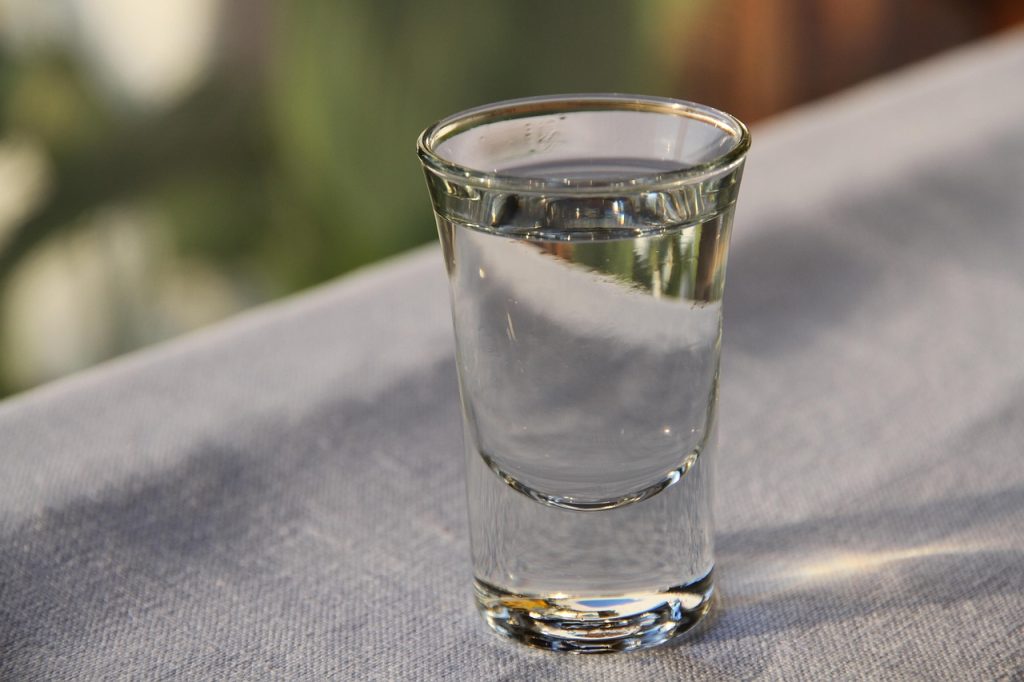
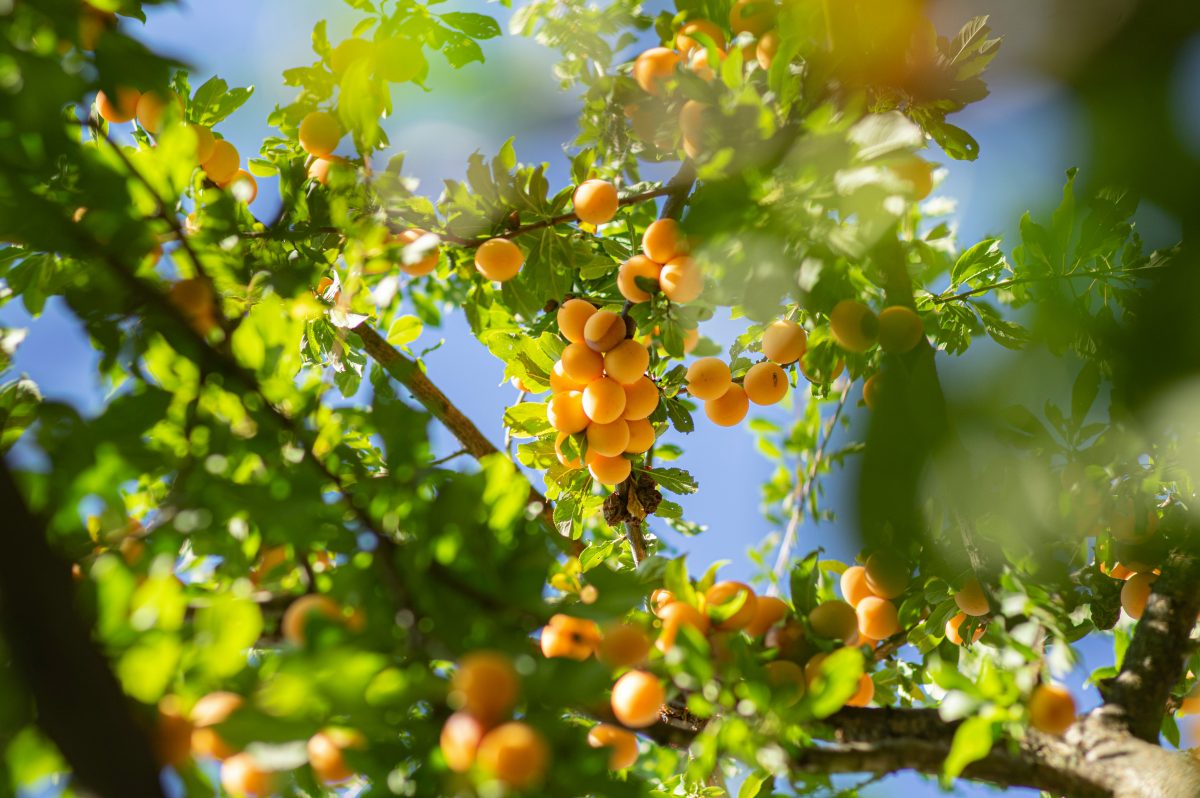
What Is Pálinka, the Hungarian Spirit?
A Chef’s Guide to Hungary’s Most Iconic National Drink
There’s a moment in every batch of pálinka when I lean over the still, catch that first warm wave of fruit aroma, and think, alright, we’re getting somewhere. I felt the same thing with my very first batch — hovering over the still like a nervous parent, convinced something would explode, burn, or taste like disappointment, waiting for that first clear drop to fall. When it finally did, it tasted like possibility dressed as 80% alcohol. That was the moment I realized this wasn’t just a side project. It was a craft I wanted to understand properly, the same way I approach cooking: with curiosity, respect, and a stubborn desire to make each batch better than the last. Maybe that’s why I love it so much. It’s the one part of my culinary life where patience isn’t optional; it’s the whole point.
And if you join one of my Budapest market and food tours, you can taste the results yourself — the good, the aged, the fruity, the dangerously smooth. But before we get to that, let’s talk about what pálinka actually is.
What Makes Pálinka… Pálinka?
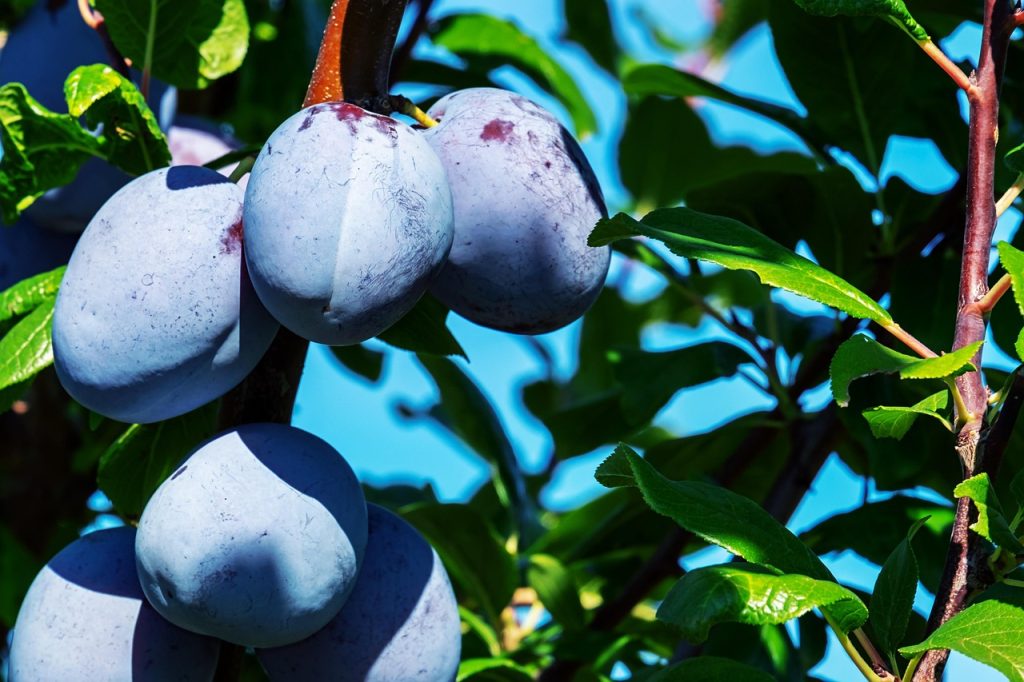
Modern pálinka is defined by Hungary’s 2008 Pálinka Law and protected by the European Union as a geographical indication. That means only spirits that meet all of these criteria can legally be called pálinka:
Made from 100% fruit grown in Hungary
Mashed, fermented, distilled, matured, and bottled in Hungary
No additives — no sugar, no honey, no flavorings
Alcohol content between 37.5% and 86%
Austria gets a small exception for apricot spirits from four provinces, but otherwise, pálinka is ours.
Across the border you’ll find cousins: pálenka (Czech/Slovak), palincă (Romanian), Boğma (Turkey). Similar idea, different rules, different soul.
Special Types of Pálinka
Kisüsti Distilled in a copper still under 1000 liters, at least twice.
Érlelt (Aged) Pálinka Aged 3 months in barrels under 1000 liters, or 6 months in larger ones.
Ópálinka (Old Pálinka) Aged at least 1 year in small barrels or 2 years in large ones.
Ágyas Pálinka Aged with fruit for at least 3 months — usually darker, richer, and a little cheeky.
A Short, Surprisingly Dramatic History of Pálinka
Distillation arrived in Europe in the 12th century, and Hungary’s first written mention appears in the 14th century — not as a drink, but as medicine for gout. (Hungarians have always been creative with cures.)
By the 17th century, fruit spirits finally show up in records, mostly plum. But pálinka wasn’t widespread yet. Early stills were primitive, cooling systems unreliable, and heat sources inconsistent. Making good pálinka required equipment most people simply didn’t have.
Things changed in the 19th century. Better stills, better knowledge, and suddenly fruit spirits became part of everyday rural life. Plum, pomace, wheat — whatever grew, someone distilled it.
Then the 20th century arrived and made everything complicated:
In the 1920s and 1930s, home distilling was banned.
Cheap potato spirits flooded the market.
“Fruit spirits” were often just flavored alcohol.
After WWII, using high‑quality fruit for pálinka was considered wasteful.
Many households used fruit that was edible only in theory.
That mindset lingered until the 2000s. Some people still use fruit that’s… let’s say “past its prime.” I don’t. Overripe? Yes. Moldy? Absolutely not.
How Pálinka Is Made (The Chef‑Distiller Version)
1. Fermentation
Pálinka starts with fruit — plums, apricots, apples, pears, cherries, whatever the orchard gives you. The fruit ferments naturally with yeast, turning sugar into alcohol.
If yeast breaks down the pectin, you end up with more methyl alcohol. But if the added pectinase enzyme breaks it down first, the yeast has nothing left to convert — which means far less (or practically none) is produced. The result is a safer, cleaner, less wasteful, and more flavorful pálinka.
This is why I always add pectinase. It’s not cheating — it’s smart fermentation.
Fermentation usually takes 10–20 days at room temperature, but depending on the mash, it can age longer. My mashes often sit 3–6 months and they’re strong enough (13–16% alcohol) to age safely.

2. Distillation
Once fermentation is done, the mash is ready for the still. The alcohol content depends on the initial sugar level — more sugar, more alcohol. At this point, the mash is a mix of water, alcohol, and a whole orchestra of flavor compounds.
Distillation is simply the art of separating them.
Different compounds evaporate at different temperatures:
Water
Ethyl alcohol
Methyl alcohol
Esters
Aromatics
As the mash heats, these compounds rise as vapor and condense back into liquid in the still’s cooling section.
The run has three parts:
The Head
The first volatile compounds. In a well‑made mash, it’s not dangerous, but it’s not what you want to drink.
The Heart (Body)
This is the good stuff — the reason we’re here.
The Tail
As the run progresses, more water vapor enters the steam. The flavor becomes heavy, cooked‑fruit‑like, and not pleasant. I keep the tail for practical use (thinning thick mashes, preventing scorching), but it never goes into the final spirit.
How do you know when to stop?
Technically, you can read the steam temperature at the right point on the still. As more water enters the vapor, the temperature rises. Once it climbs past a certain point, you know you’re basically distilling water.
But I’m a chef. I taste it.
My first quart usually comes out around 68–70% alcohol. I’ve hit 78% once — a unicorn batch. After distillation, I let the spirit rest for a few weeks before dilution.
3. Dilution and Aging
I dilute with distilled water to around 41–42%, which I find ideal for flavor and drinkability — especially since many guests taste it in the morning on my tours.
Then it ages again, at least 3 months, often 9–12. Time softens the edges and deepens the fruit.
Why My Pálinka Tastes the Way It Does
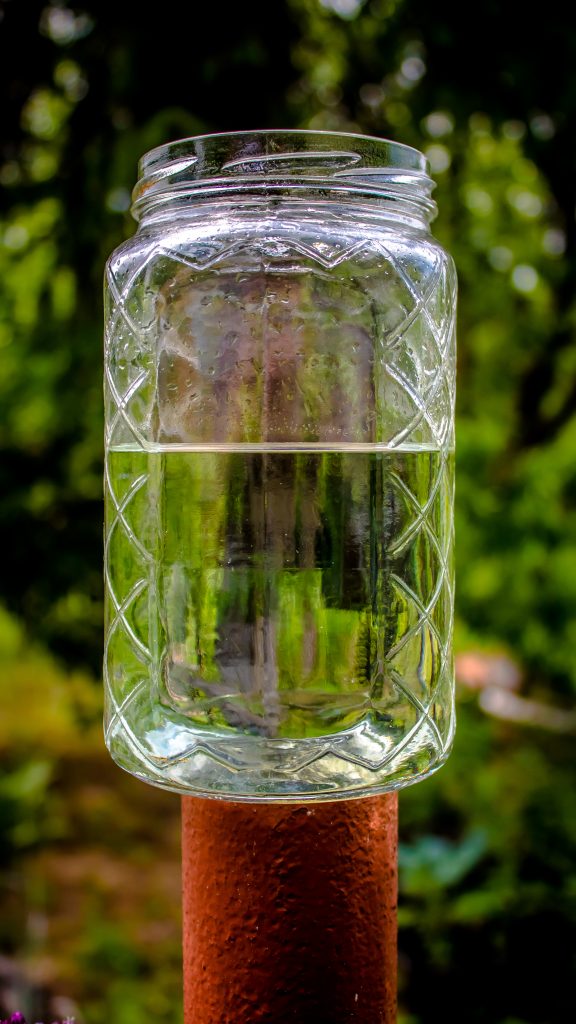
This is where the hobby becomes a craft.
I use fruit we grow ourselves, treated only with organic‑approved materials.
I use wine yeast now, but I’m experimenting with sherry yeast for higher‑proof mashes.
My mashes sit 3–6 months, sometimes longer.
I add sugar when needed — the conversion is 2:1, so a 100‑unit mash needs 26–32% sugar for proper alcohol levels.
Higher alcohol content extracts more flavor.
I use a small two‑part still that preserves fruit character better than tall column stills.
I taste every batch. If the first sip isn’t right, I stop everything and figure out why. Faulty mash? Straight to compost.
I never double‑distill — too much flavor would be lost.
I never go below 40%.
I age before and after dilution.
The goal is simple: a spirit that tastes like the fruit it came from — clean, honest, and enjoyable without knocking you off your chair.
Pálinka as Culture
Pálinka isn’t just a drink. It’s a piece of Hungarian identity — shared at weddings, poured at family tables, sipped in countryside kitchens, and yes, enjoyed on my tours.
Every glass carries a story: orchards, seasons, stubborn traditions, and the people who keep them alive.
And for me, it’s also a reminder that some crafts reward patience more than perfection. Pálinka is one of them.