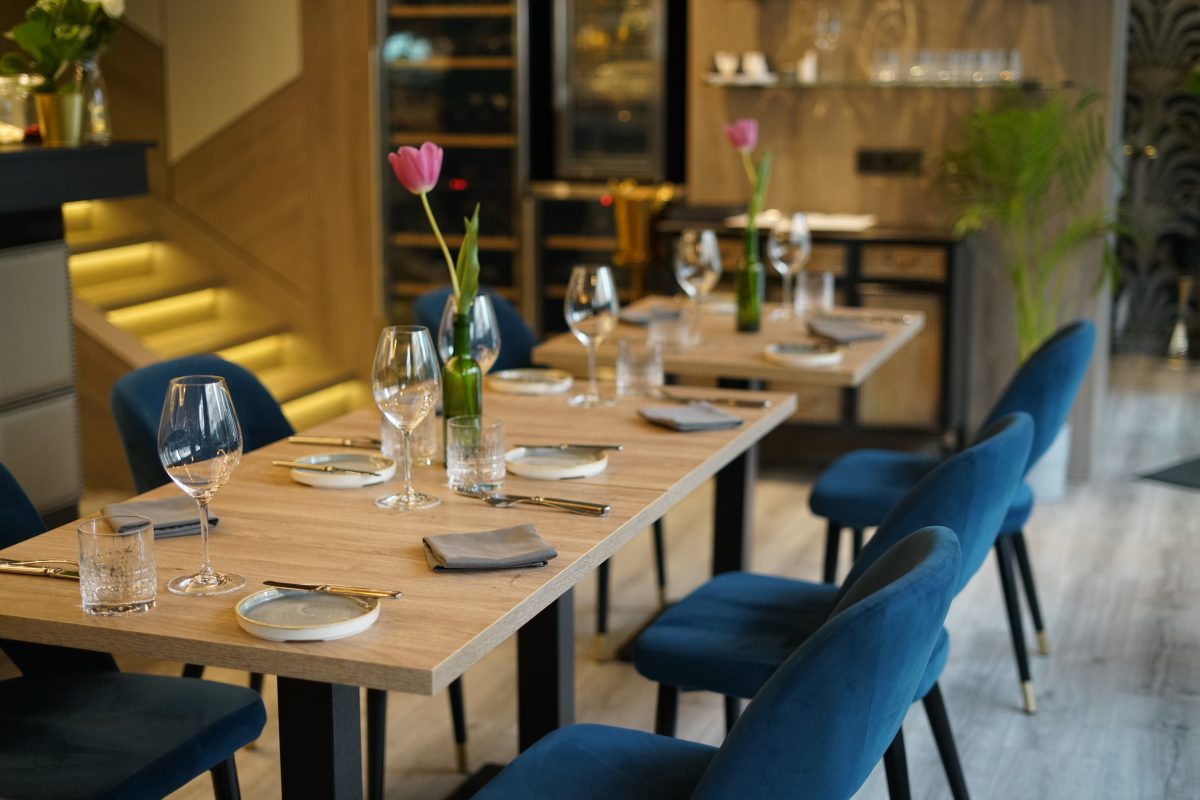
One of Budapest’s Best Modern Hungarian Restaurants

As a chef and dining expert, I’m always searching for restaurants that quietly deliver exceptional food. N28 Wine & Kitchen is one of those rare places — modern Hungarian cooking done right.

N28 Wine & Kitchen

A chef’s insider guide to a restaurant that deserves far more attention

I don’t take commission or payment from any restaurant I recommend. If you’d like to support my work, you can join me for a private or small‑group market tour. I guide guests through Budapest’s most authentic markets, where we taste, talk, and explore the city through its food. You can read more about the experiences here, or book it directly here.

This is the first in what I hope becomes a long series about the best restaurants in Budapest — not the obvious ones, not the ones that dominate Instagram, but the ones that quietly deliver some of the most thoughtful, technically excellent food in the city.

As the Head of Dining Experiences for a company with the largest restaurant database in Hungary, sometimes I get to go to openings, menu launches, and special events. Some places are good but not Hungarian in any meaningful way. Some are perfectly fine — nothing more, nothing less. And then there are the rare ones that somehow stay under the radar despite producing some of the best food in Budapest.

N28 Wine & Kitchen is one of those places.

Why N28 Matters

N28 sits on Nagymező utca 28 in the 6th district, about a 15‑minute walk from St. Stephen’s Basilica. It’s not a chef‑owned restaurant — and that’s not a drawback. In fact, I often find these setups better: the chef can focus entirely on cooking, while someone else handles operations. When the partnership works, the food benefits.

Here, it works.

Chef Szabolcs Nagy brings experience from France, Stand25, and the now‑closed but highly respected Fricska. The restaurant’s early identity — especially its beverage program — was shaped by Ivett Lisztes, who served as store manager and sommelier. She’s no longer in that role, but her influence is still very much present in the DNA of the place.

The Philosophy: The Future of Fine Dining Is Fine Bistros

I’ve said this for years: the future of fine dining is fine bistros.

The only trend that truly matters is consistently excellent food.

N28 embodies this perfectly. It’s the sweet spot between:

  • high‑end technique
  • local ingredients
  • unpretentious presentation
  • a relaxed, welcoming atmosphere

It’s fancy enough where I can take my wife for an anniversary dinner, but laid‑back enough for a weekday lunch after the market. No theatrics, no culinary riddles, no “user manual” required to understand your plate.

Just well‑resourced, technically precise, deeply delicious food — the kind that doesn’t need to shout to impress you.

The Food: Approachable, Clever, and Executed With Respect

N28 uses the techniques and ingredients you’d expect from top restaurants around the world — but without the pretentious ambiance that often comes with them. The dishes are understandable, comforting, and still creative.

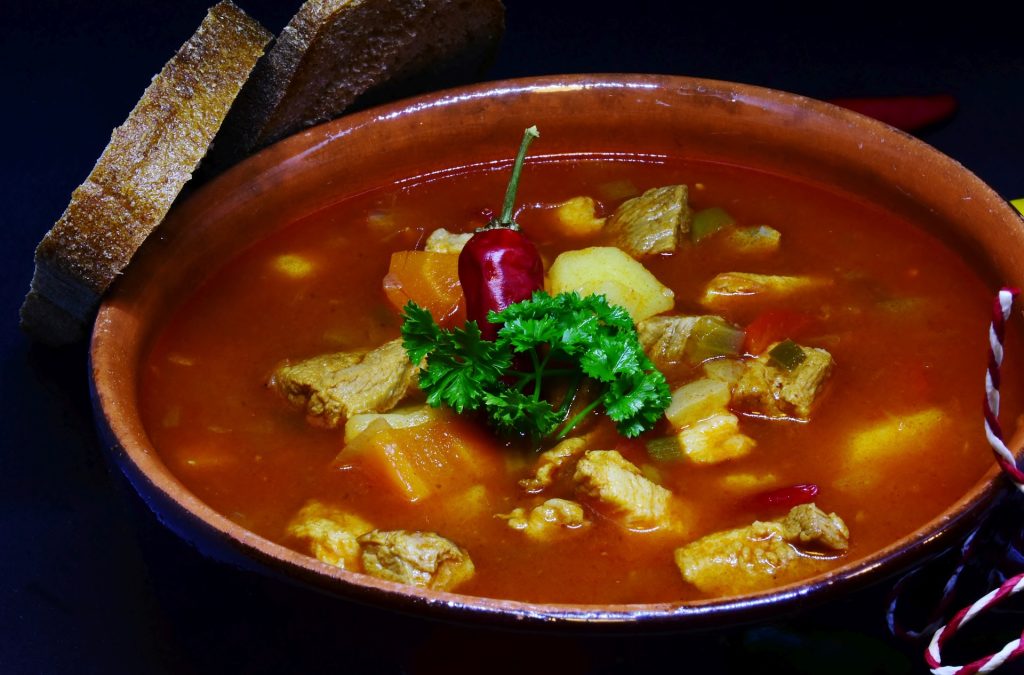
This is the kind of place where you can order a bowl of goulash that rivals what’s served in two‑Michelin‑star kitchens — and I’ve spent enough time in those kitchens to mean that.

And that’s not hyperbole. That’s what happens when a chef respects ingredients and doesn’t feel the need to reinvent a dish just to prove a point.

The Lunch Menu: Where Creativity Shines

If you want to see the kitchen at its most playful, go for lunch.

This is where Szabolcs lets loose with seasonal ingredients and the parts of animals most kitchens avoid — not for shock value, but because he knows how to make them delicious. Testicles, heart, odd cuts… all treated with respect, technique, and clarity.

Whenever those appear on the menu, I’m there.

The lunch menu is:

  • simple
  • affordable
  • seasonal
  • clever
  • and always delicious

It’s one of the best lunch values in Budapest.

The Goulash: A Masterclass in Doing Things Right

Here, goulash is exactly what it should be:

  • served in a bowl
  • no liquid nitrogen
  • no deconstruction
  • no explanation needed

Just a perfect bowl of soup.

I’m not saying it’s as good as my grandfather’s — it’s better. Is it the best goulash in Budapest? I can’t know that. But I’d be surprised if many places surpass it.

It’s hearty without being heavy. Deep in flavor without being muddy. The vegetables still have integrity — a sign of a chef who respects ingredients. The beef is excellent quality and cooked exactly as it should be.

This is what happens when a kitchen understands that you don’t need to reinvent a dish. You just need to do it right.

The Bread: Worth Its Own Paragraph

I’m a huge fan of good bread — sourdough or yeasted — and N28’s homemade potato bread is simply fantastic. It’s complimentary at lunch, served with a bottle of water, and it’s the kind of bread that makes you rethink what “simple” can be.

The Beverage Program: Thoughtful, Bold, and Boundary‑Pushing

Even though I rarely drink alcohol anymore, I appreciate a thoughtful pairing. And N28’s beverage program deserves real attention.

They don’t serve Coke or sodas. I respect that deeply.

A restaurant isn’t just there to cater — it’s also there to broaden horizons. And N28 does exactly that.

The homemade lemonades and syrups are excellent. The wine list is smart, local, and intentional. And the pairings? Brilliant.

One of the most memorable moments was a tiramisu paired with a salted caramel peanut butter stout. The only way to tell which one was in my mouth was by texture.

That pairing was created by Ivett — and it’s a perfect example of why her influence still matters.

Why You Should Go

If you only visit one restaurant in Budapest — which would be a mistake, because this is a phenomenal food city — N28 and Salt are the two places I’d insist on.

N28 is the modern Hungarian bistro done right: warm, confident, technically excellent, and deeply rooted in local ingredients and traditions.

Practical Info

N28 Wine & Kitchen Nagymező utca 28, Budapest (6th district)

Style: Modern Hungarian bistro

Lunch & dinner

Reservation: Recommended

Price: Mid‑high

Must‑try: Goulash, lunch menu, homemade bread, beverage pairing

Beverage style: Local wines, thoughtful pairings, no sodas

Atmosphere: Relaxed, elegant, unpretentious
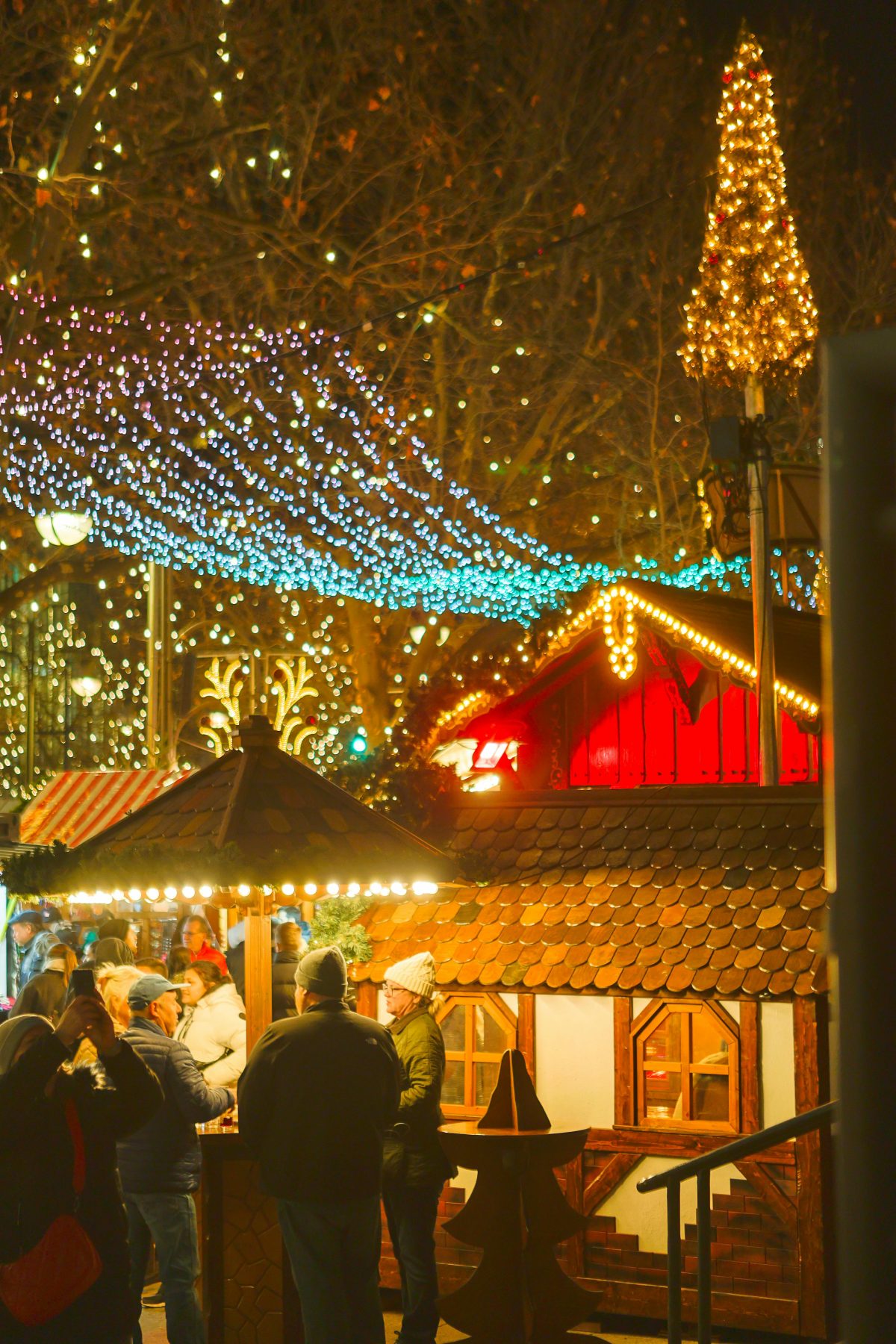
Discover the off the beaten path Christmas Markets in Budapest

Discover the Magic of the Christmas Markets in Budapest

As the holiday season approaches, Budapest transforms into a winter wonderland, and if you are lucky, that might involve some snow. If not, you are in for some gray. But Christmas markets offer a truly magical experience for locals and visitors alike. While the warm smell of mulled wine and chimney cake fills the air, they also warm the body and nourish the soul. Keep in mind that as Christmas approaches, the markets are getting busier and busier. Budapest’s Christmas markets are a delightful way to immerse yourself in the holiday spirit and experience the city’s rich cultural heritage. Whether you’re shopping for unique gifts, savoring delicious foods, or simply soaking in the festive atmosphere, these markets are sure to create lasting memories.

Here are some of the off the beaten path markets they might not be as famous or even as pretty as the ones in the previous article but these markets are for locals, what they lack in flash they certainly make up for coziness and friendliness. Less crowded, fairly priced and offering some classic food choices. The offerings might be limited to a few, but that just makes choosing easier.
Your trip to Budapest can get even more interesting. Transform your Budapest adventure into an unforgettable experience with my exclusive market tours. Join me for a private or small group tour of two of Budapest’s most vibrant markets. Discover hidden gems, savor local flavors, and immerse yourself in the city’s rich culture. Let me be your guide to an authentic Budapest experience! I offer private and small group market tours. You can read more about here or you can book the experience here.

Óbuda Christmas Market


Óbuda has a special place in my heart. It’s weird and I love it. I think it’s the only place in the world where you can eat in a 140+ years old restaurant and walk a few minutes just to find yourself in ten story socialist era brick buildings that hug ancient roman ruins. This charming market is located in the historic Óbuda district and offers a cozy, village-like atmosphere. Visitors can browse through stalls selling artisanal products, enjoy traditional Hungarian dishes, and take part in various cultural programs and activities. There is a free ice skating rink (skate rentals are 2000 HUF/hour). There are also free concerts on weekends at 11 am, 4 pm and 6:20 pm. 

Opening hours:

Mon – Thurs: 2:00 pm – 9:00 pm 

Fri – Sun: 10:00 am – 10:00 pm 

December 24: 10:00 am – 1:00 pm

Advent craft workshop: Sundays: 2:00 pm – 7:00 pm

Animal petting (next to the nativity scene): Sundays: 3:00 pm – 7:00 pm

Városháza Park Christmas market.

While this market might not be the most famous, for ice skating lovers it’s a must. Imagine skating in the heart of Budapest under a plethora of lights. While the usage of the rink is not free (2500 HUF) and rentals are also 2500 HUF with a 5000 HUF deposit, the rink is a wonderful experience. The place is covered in Christmas lights and skating under them is truly a magical experience. Budapest Card Holders enjoy 20% off of the full price

Opening hours

Monday – Wednesday 8am – 8pm

Thursday – Sunday 8am – 9pm

Holidays

December 24th 10am – 6pm

December 25th and 26th 10am – 9pm

December 31st 10am – 10pm

January 1st 11am – 8pm

Újpest Christmas market.

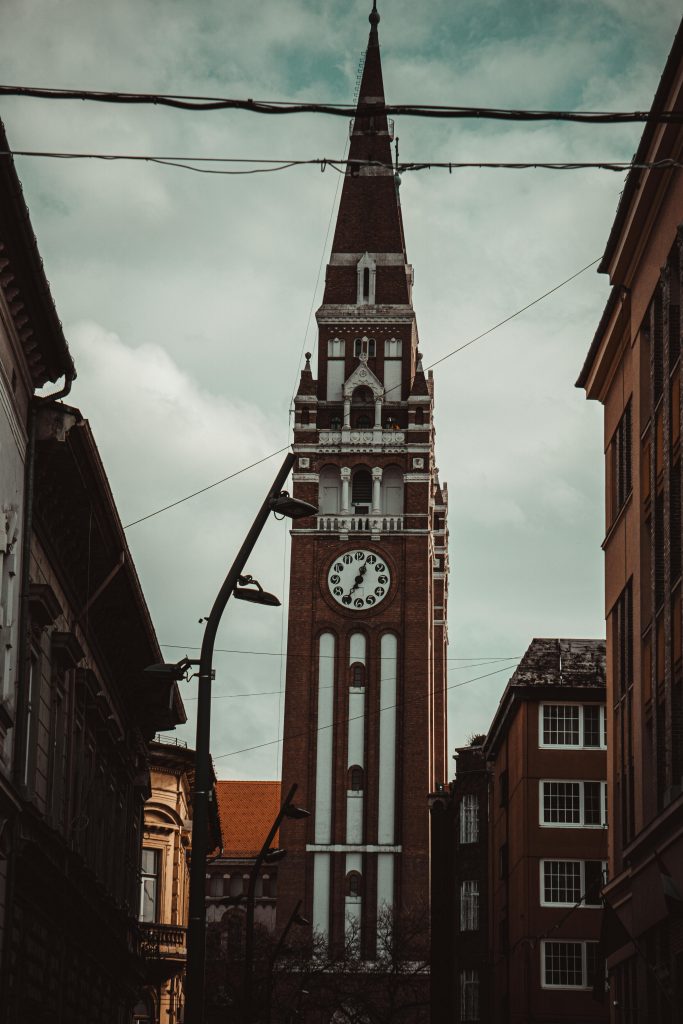
Probably the “furthest” one from downtown. Thankfully it is easily accessible by subway line #3 (blue line). The market is roughly 5 minutes from the terminus. Due to the layout of the main square, the market is split into two parts. It consists of an ice skating rink and the actual market with a few stalls but with all the mandatory fixings like mulled wine, chimney cake made over charcoal and langallo which loosely resembles a pizza done in a wood fired brick oven. The backdrop ain’t too shabby either as between the ice rink and the market stand one of the most beautiful city halls in Budapest. Opened in 1900 it is a truly classic example of secessionist architecture. What’s also cool is that the Christmas tree market, where locals buy their trees, is just a stone’s throw away and thankfully the wind blows from that direction so it is not uncommon that the whole place smells like a pine forest.

Things to eat and drink

  • Lángos
  • Langallo/kenyérlángos
  • Chimney cake/kürtőskalács (preferably cooked over charcoals)
  • Gingerbread/mézeskalács
  • Mulled wine/forralt bor
  • Sausages/kolbász, hurka
  • Roasted chestnuts/sült gesztenye

There are a lot of other options. I did not try them all, and what I did try were good but not a must try.

Tips for when Budapest’s Christmas Markets

Dress warmly: Budapest can get quite cold in December, so make sure to bundle up.

Enjoy the festive foods and  drinks: Warm up with a cup of mulled wine (forralt bor) or hot chocolate, fill your belly with chimney cake or sausages.

Take your time: The markets can get crowded, especially on the weekends, so plan to visit during weekdays if possible, and make sure you have enough time to discover and enjoy.

Be patient: No matter what markets you go to, you probably will encounter people. Sometimes just a few, sometimes a lot, so be patient and take care of each other. It’s Christmas time afterall. 

You can read part one here.

Discover The Christmas Markets in Budapest

All you need to know about the Christmas Markets in Budapest

As the holiday season approaches, Budapest transforms into a winter wonderland, and if you are lucky, that might involve some snow. If not, you are in for some gray. But Christmas markets offer a truly magical experience for locals and visitors, although in recent years locals are less enthusiastic about the overpriced food that usually under delivers. While the warm smell of mulled wine and chimney cake fills the air, they also warm the body and nourish the soul.

So here are some of the must-visit Christmas markets and a few off the beaten path ones in Budapest. Keep in mind that as Christmas approaches, the markets are getting busier and busier. Budapest’s Christmas markets are a delightful way to immerse yourself in the holiday spirit and experience the city’s rich cultural heritage. Whether you’re shopping for unique gifts, savoring delicious foods, or simply soaking in the festive atmosphere, these markets are sure to create lasting memories.

Your trip to Budapest can get even more interesting. Transform your Budapest adventure into an unforgettable experience with my exclusive market and food  tours. Join me for a private or small group tour of two of Budapest’s most vibrant markets. Discover hidden gems, savor local flavors, and immerse yourself in the city’s rich culture. Let me be your guide to an authentic Budapest experience! I offer private and small group market and food tours. You can read more about here or you can book the experience here.

Vörösmarty Square Christmas Market

Located in the heart of Budapest, at the end or the beginning of fashion street (locally known as Váci utca), the Vörösmarty Square Christmas Market branded as Vorosmarty Classic Xmas is one of the oldest and most popular in the city. The market features beautifully decorated wooden stalls, selling a variety of handcrafted gifts, traditional Hungarian foods (langos, chimney cake, stuffed cabbage, goulash, all kinds of grilled meats and sausages) and festive drinks. Visitors can enjoy live music performances and watch artisans at work, creating unique items right before their eyes. My friends from Spiritus Metalli are also out there with blacksmith and jewelry demos along with some handcrafted jewelry. Maybe it is just me, but here is something relaxing and mesmerizing about hearing the hammer strike down on hot metal sitting on an anvil.

Opening hours:

Monday – Thursday: 11:00 am – 9:00 pm

Friday – Saturday: 11:00 am –10:00 pm

Sunday: 11:00 am – 9:00 pm

Holiday opening hours:

December 24.: 10:00 am – 2:00 pm

December 25 – 26.: 12:00 pm – 6.00 pm

December 29 – 30.: 11:00 am – 10:00 pm

December 31.: 11:00 am – 03.00 am

https://vorosmartyclassicxmas.hu/en/home/

St. Stephen’s Basilica Christmas Market

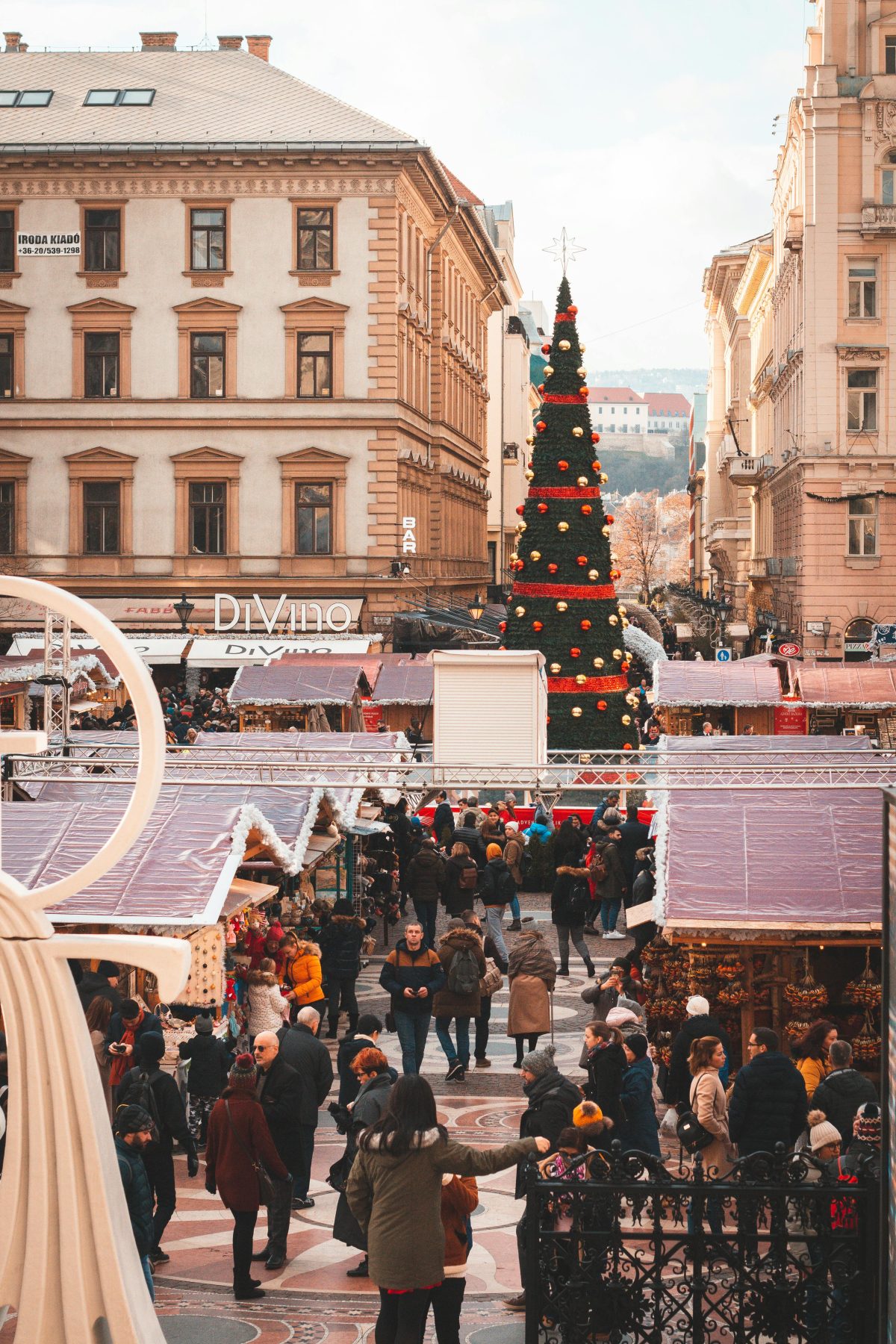
I remember the days when I recommended this market to my guests as it was basically unknown to tourists and even locals were skeptical about it. (Keep on reading as I’ll have some off the beaten path recommendations again. I can’t guarantee that they will be as big as this one though:) Set against the stunning backdrop of St. Stephen’s Basilica, this market is known for its picturesque setting and festive atmosphere. It also managed to snag The Best Christmas Market award in Europe three years in a row now. The market boasts an ice skating rink, a large Christmas tree, and a light show projected onto the basilica’s facade starting at 5:30 pm. Shoppers can find a wide range of gifts, from handmade jewelry to traditional Hungarian delicacies. Concerts starting at 5 pm on some days. 

Opening hours:

Monday – Thursday: 11:00 am – 10:00 pm

Friday – Saturday: 11:00 am – 11:00 pm

Sunday: 11:00 am – 10:00 pm

Holiday opening hours

December 24.: 11:00 am – 3:00 pm

December 25–26.: 11:00 pm – 8.00 pm

December 31.: 11:00 am – 03.00 am

January 1.: 11:00 am – 6:00 pm

https://adventbazilika.hu/en/

Both of these markets will offer food themed weekends.

Themes include goulash, stuffed cabbage, goose just to name a few. Both locations will also offer a cheaper food option for the budget savvy traveler 1600 HUF (around 4 euros) on the weekdays and 2500 HUF (6 euros) on the weekends.

These two are the most famous and most common ones. I can’t say for sure if every district has their own market but it’s highly likely. If you have the time and want to see other parts of the city than the “downtown” part, if you don’t mind the sometimes very minimal selection of food and limited selection of stuff, you might want to consider skipping the big crowds and tourists and head to one of these truly off the beaten path markets. They might not be as grand and famous as their downtown cousins, but they are usually less crowded, moderately priced and truly local. You can read about them in the next article.

Things to eat and drink

  • Lángos
  • Langallo/kenyérlángos
  • Chimney cake/kürtőskalács (preferably cooked over charcoals)
  • Gingerbread/mézeskalács
  • Mulled wine/forralt bor
  • Sausages/kolbász, hurka
  • Roasted chestnuts/sült gesztenye

There are a lot of other options. I did not try them all, and what I did try were good but not a must try.

Tips for when Budapest’s Christmas Markets

Dress warmly: Budapest can get quite cold in December, so make sure to bundle up.
Enjoy the festive foods and drinks: Warm up with a cup of mulled wine (forralt bor) or hot chocolate, fill your belly with chimney cake or sausages.
Take your time: The markets can get crowded, especially on the weekends, so plan to visit during weekdays if possible, and make sure you have enough time to discover and enjoy.
Be patient: No matter what markets you go to, you probably will encounter people. Sometimes just a few, sometimes a lot, so be patient and take care of each other. It’s Christmas time afterall.


Everything you need to know about Hungarian paprika

In Part Two I discuss how paprika is made, why is it so famous, its health benefits and also the best ways to use paprika.

In Part one I discussed its history and origin. You will also find the answers to what types of are paprika are there, and how to buy paprika.

Your trip to Budapest can get even more interesting. Transform your Budapest adventure into an unforgettable experience with my exclusive market and food tours. Join me for a private or small group tour of two of Budapest’s most vibrant markets. Discover hidden gems, savor local flavors, and immerse yourself in the city’s rich culture. Let me be your guide to an authentic Budapest experience! I offer private and small group market and food tours. You can read more about here or you can book the experience here.

Production

The southern part of the country where most of the paprika growing happens has around 2000-2100 hours of sunshine per year. Harvest is usually in September before the first frost. They harvest only the red ones and usually on three occasions. After harvest they let it ripen either in crates or hung up. Once it’s ready to process they wash it then dry. In the old days the drying was done by hanging up the peppers under the roof of the porch. Once the peppers are dried enough, they crack them and then grind them. Once the grinding is done, they set the moisture content. Then they rest them. After that they heat treat it to get rid of any microbes before packing.

In the old days most peppers were hot. The way they got rid of the heat is that they cracked the peppers. Then removed the seeds, veins and dried them separately. Once both dried they then mixed them to the desired heat level.

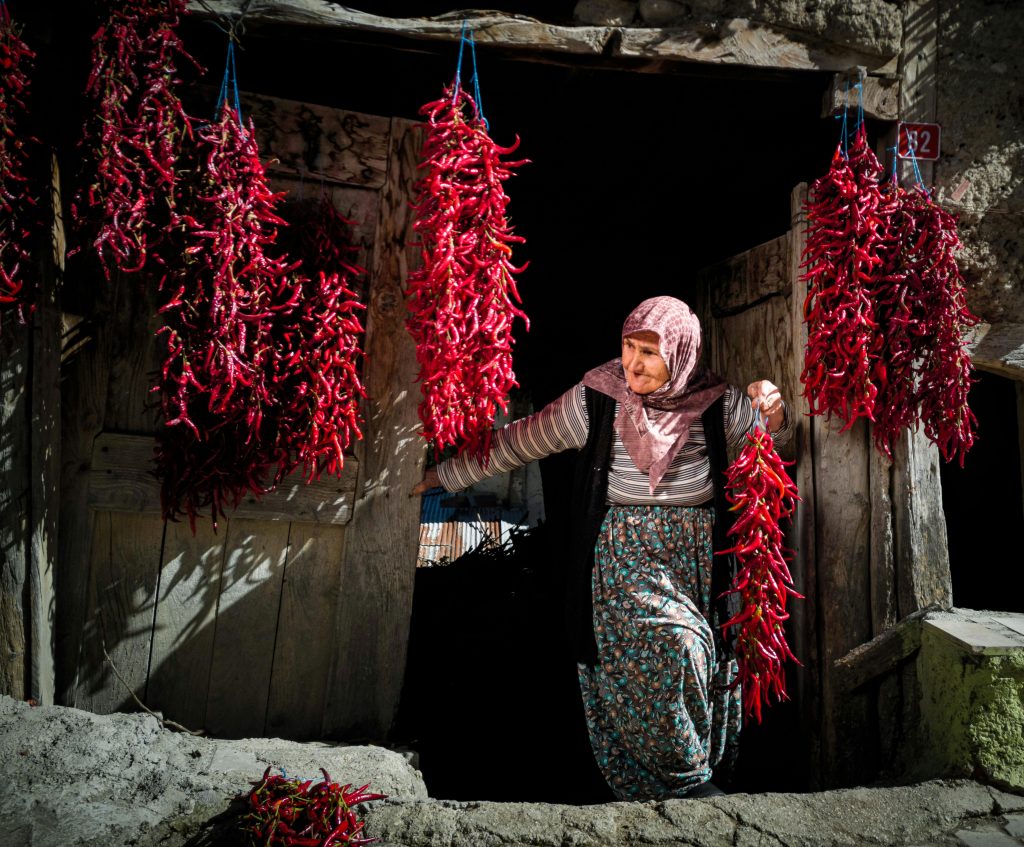
Drying Peppers (Pexels-Betul-Simsek)

Why is Hungarian paprika so famous?

According to legend, Hungarians were the first to use paprika and only the paprika as a stand alone spice. It is also rumored that Hungarians were the first ones that actually ground the peppers to a fine powder. Creating what we know now as paprika.

An experimental paprika lab was established in Kalocsa and Szeged. Vitéz Horváth Ferenc who at the time was leading the lab in Kalocsa, in 1928 accidentally selected a non spicy plant from a spicy one. He then cultivated it. From this point we have paprika peppers that have no spice. It also meant that the previously tedious process of removing seeds and veins could be skipped. The labs are still working both in Szeged and Kalocsa. They still breed better, higher quality peppers. A few of the most common actual breeds from Szeged that are grown for paprika are: Bíbor, Bolero, Délibáb, Fesztivál, Kárminvörös, Napfény, Rubinvörös, Szegedi F-03, Szegedi 178, Szegedi 80 and Viktória.

It is also rumored that Hungarian farmers were the ones who discovered that paprika dissolves in fat. Once its dissolved it has fantastic flavor and the fat-paprika-onion trinity is a great base for basically any dish. 

Albert Szent-Györgyi who received a Nobel prize for discovering vitamin C isolated it from a pepper seed that was grown around Szeged.

Szeged (Pexels Vargaphotography)

Health benefits

Paprika peppers contain more vitamin C than a lemon. That also explains why they looked at it not just as a spice but as a medicine. It was widely used during the 1830s’ cholera outbreak. The heat that we actually sense rather than taste comes from a chemical called capsaicin. It is an effective painkiller. It has anti-inflammatory properties as well. It also preserves well when putting it with some salt and vinegar, or as some old recipes suggest. There is a sort of fermented version of it as well. It calls for taking out the core and salt the inside til it looks like it snowed on it. Then put them in each other then in a jar with a tight fitting lid. It will keep well in the winter months while maintaining its high level of vitamin C. It is also proven that it can help with digestion since capsaicin irritates the stomach’s lining which in return produces more acid.

Uses

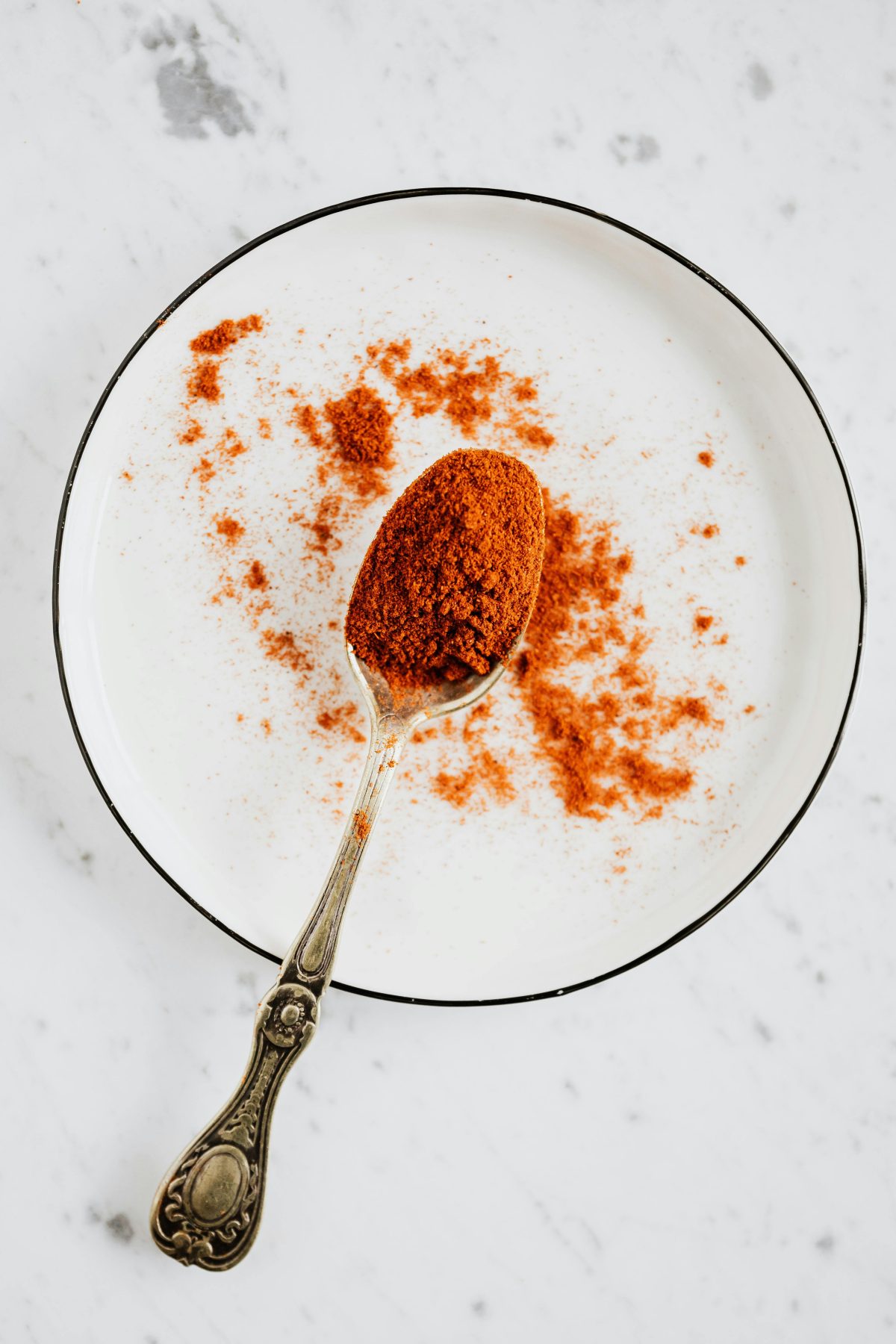
Paprika is indispensable in Hungarian cooking, adding flavor, color and aroma to a wide range of dishes. Some of the most famous Hungarian dishes featuring paprika include:

  • Gulyás (Goulash): A hearty soup made with meat, vegetables and a generous amount of paprika.
  • Pörkölt (Stew): A slow-cooked meat stew seasoned with paprika.
  • Paprikás csirke (Chicken Paprikash): Chicken cooked in a creamy paprika sauce.
  • Lecsó: A vegetable stew made with peppers, tomatoes, onions and paprika. 
Goulash

Hungarian paprika is a spice that embodies the essence of Hungary’s culinary traditions and cultural heritage. Its rich history, diverse uses and unique flavor profile make it a special ingredient. It’s cherished by chefs and home cooks alike. Whether you’re making a traditional Hungarian dish or experimenting with new recipes, Hungarian paprika is sure to add a touch of authenticity and flavor.

You can read part one here

Everything you need to know about Hungarian paprika

In Part one I discuss its history and origin. You will also find the answers to what types of paprika are there, and how to buy paprika.

Your trip to Budapest can get even more interesting. Transform your Budapest adventure into an unforgettable experience with my exclusive market and food tours. Join me for a private or small group tour of two of Budapest’s most vibrant markets. Discover hidden gems, savor local flavors, and immerse yourself in the city’s rich culture. Let me be your guide to an authentic Budapest experience! I offer private and small group market and food tours. You can read more about here or you can book the experience here.

Hungarian paprika is more than just a spice; it is a symbol of national pride and an essential ingredient in Hungarian cuisine. Known for its vibrant red color and distinctive flavor, Hungarian paprika has a rich history and a variety of uses that makes it unique. In this article I will refer to pepper as the fruit of Capsicum annuum. Paprika is the dried, powdered spice that is made from said peppers. Black pepper is referred to as black pepper.

History and Origin

Paprika is derived from the dried and ground pods of the Capsicum annuum plant. All peppers are either Capsicum annuum or Capsicum frutescens. The latter is usually referred to as Tabasco peppers but they are not only those. Due to the extremely large variety of peppers some experts are considering all peppers to be capsicum annuum. They are just bred differently while, botanically speaking, the species have some different characteristics. Here are some, to name a few: Capsicum A. is usually 1-3 feet tall, while Capsicum F. is 3-4 feet tall. Capsicum A. produces a wide variety of fruit shapes and sizes, Capsicum F. produces smaller, more elongated peppers. While Capsicum A. can be anything from sweet to mild to hot, Capsicum F. ranges from mild to extremely hot.

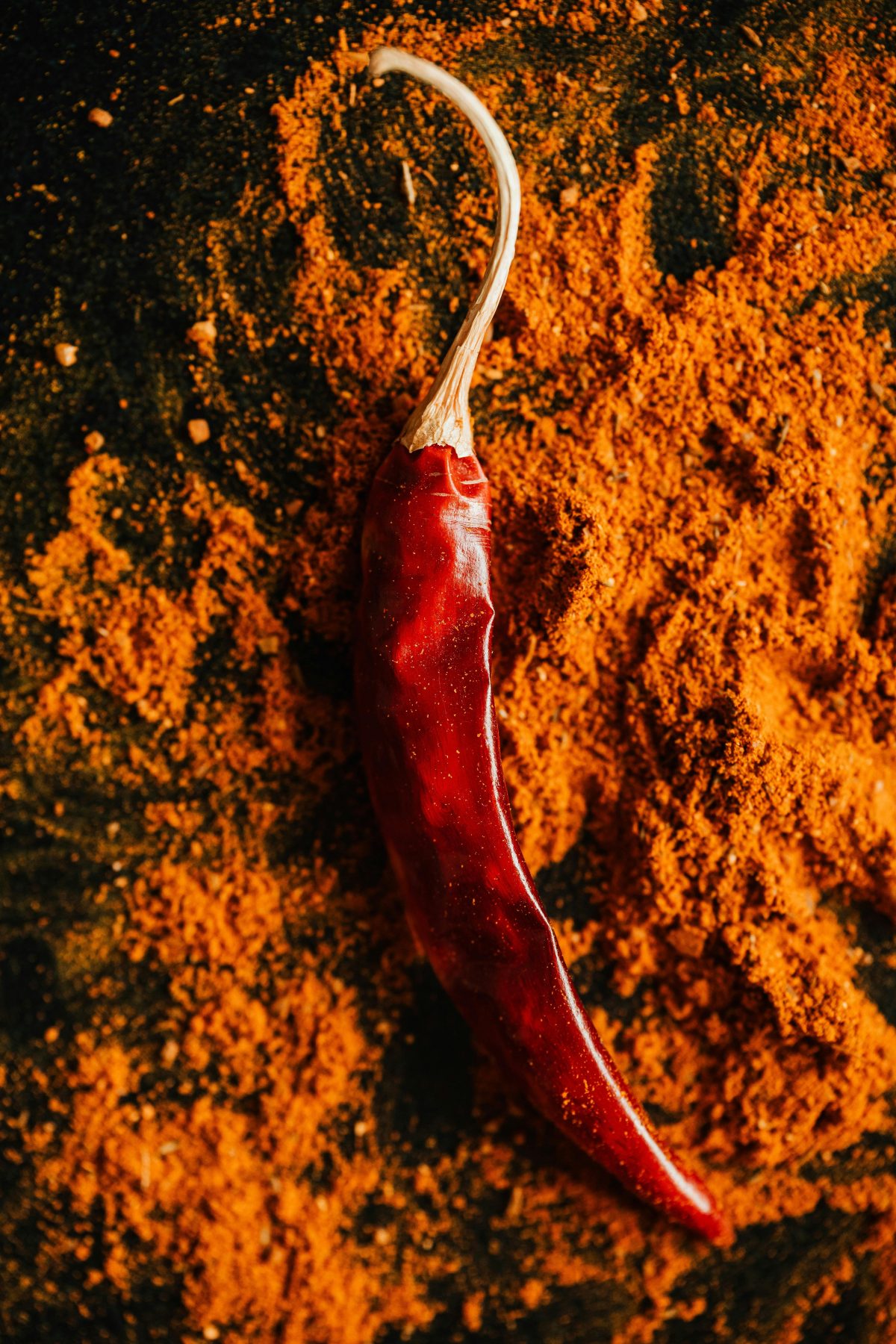
Paprika (Pexels Eva Bronzini)

Pepper was introduced to Europe by Spanish explorers following Christopher Columbus’s voyages to the Americas. It arrived in Hungary through the Turkish during their occupation in the 16th century, as an ornamental plant. Records show that by the mid 18th century workers around Szeged were “were partially paid” in paprika. It wasn’t until the late 18th century that it pops up for the first time in a cookbook, in a recipe called “paprikás hús”, meat with paprika. The Turkish and the Napoleonic blocades really helped propel paprika to the European stage. It was a great alternative to black pepper. Then the cholera outbreaks of the 1830s further strengthened the plant’s role in everyday cooking and consumption. By the end of the 1800s it had completely transformed Hungarian cuisine.

The main reason the Turkish theory is the most plausible is that for a long time paprika wasn’t called paprika but it was called turkish pepper (törökbors). Over time, it transitioned from ornamental to a staple in Hungarian kitchens. Particularly among the lower classes who found it as a cheaper alternative to black pepper. What seems to be certain is that the rise of paprika is around the time when the supply of black pepper plummeted. The first paprika producing region in Hungary was around Szeged. Later the surrounding region of Kalocsa also joined the trend. It also helped that in 1850 Hungary had to adapt the Austrian (Habsburg) tobacco “monopoly”.It made tobacco farming a state monopoly and so cultivating it required permits. Since tobacco and paprika production require similar climate, soil and processing techniques, most farmers switched to growing peppers instead of tobacco. By the turn of the 20th century paprika was grown all over the southern regions. By then (late 19th century) commercial production was already happening in the two regions mentioned above. 

There are a few words Hungary gifted the world and one of them is paprika. The most widely accepted view is that it originated from the slavic word for pepper  peperi/piper/peperke/piperke, meaning “pepperlet”. The locals around Szeged however had their own theory. Based on this, paprika actually means “something that makes the priests cry”: papríkató, where “pap” means priest and the word ”rí” means cry. It could make sense since paprika was grown in the gardens of the monks of the Order of Friars Minor in Szeged. It is however most definitely nothing more than a nice tale.

Dried peppers (pexels yogendras)

Types

Hungarian paprika is legally categorized, based on quality, into these categories:

  • Különleges (special quality): Mild and sweet, with a bright red color. Highest quality (I. osztály).
  • Csemege (deli): 2nd in quality (II. osztály).
  • Édesnemes (noble sweet): The most common variety, slightly pungent and sweet, most common abroad (III. osztály).
  • Rózsa (rose): Mild with a light red to light brown color (IV. osztály).

While it’s not common in Hungarian cooking, there are smoked versions available. Most of the time, you’ll either find sweet or hot from either Szeged or Kalocsa.

If the paprika has less than 100 mg/kg capsaicin, it’s called “édes” or “csípősségmentes” (sweet).

If the paprika has between 100-200 mg/kg capsaicin, it’s called “enyhén csípős” (mild).

If the paprika has more than 200 mg/kg capsaicin, it’s called “csípős” (hot).

How to buy paprika? What to look for?

Most paprika will only have a description in Hungarian. One of the most important things to know is whether it’s hot or not. “Csípős” means hot, while “édes” means sweet. As you saw it above, there are types that are called “csípősségmentes” which means without the spice. 

The other important thing is that the paprika you buy in Hungary should be Hungarian. The EU puts geographical indications on foods and drinks. These are either P.D.O. (Protected Designations of Origins), which means that the raw ingredients need to come from the region of origin where all steps of production need to take place. It’s usually marked with a red stamp, and that’s what you want.

Wikipedia

P.D.I. (Protected Geographical Indications) means that at least one of the stages of production, processing or preparation takes place in the region. You can usually see a blue stamp marking this.

The other tell-tale sign is if you see percentages on the packaging. It highly likely means that they mixed the Hungarian paprika with paprika from other countries, usually China and or Spain.

You can read part two here.

The Hungarian currency.

In this article I’d like to answer some questions that you might have about Hungarian money, the usage of ATMs, exchange places, credit cards. I dive a little into banking fees, currencies and exchange rates.

Your trip to Budapest can get even more interesting. Transform your Budapest adventure into an unforgettable experience with my exclusive market and food tours. Join me for a private or small group tour of two of Budapest’s most vibrant markets. Discover hidden gems, savor local flavors, and immerse yourself in the city’s rich culture. Let me be your guide to an authentic Budapest experience! I offer private and small group market and food tours. You can read more about here or you can book the experience here.

About the currency

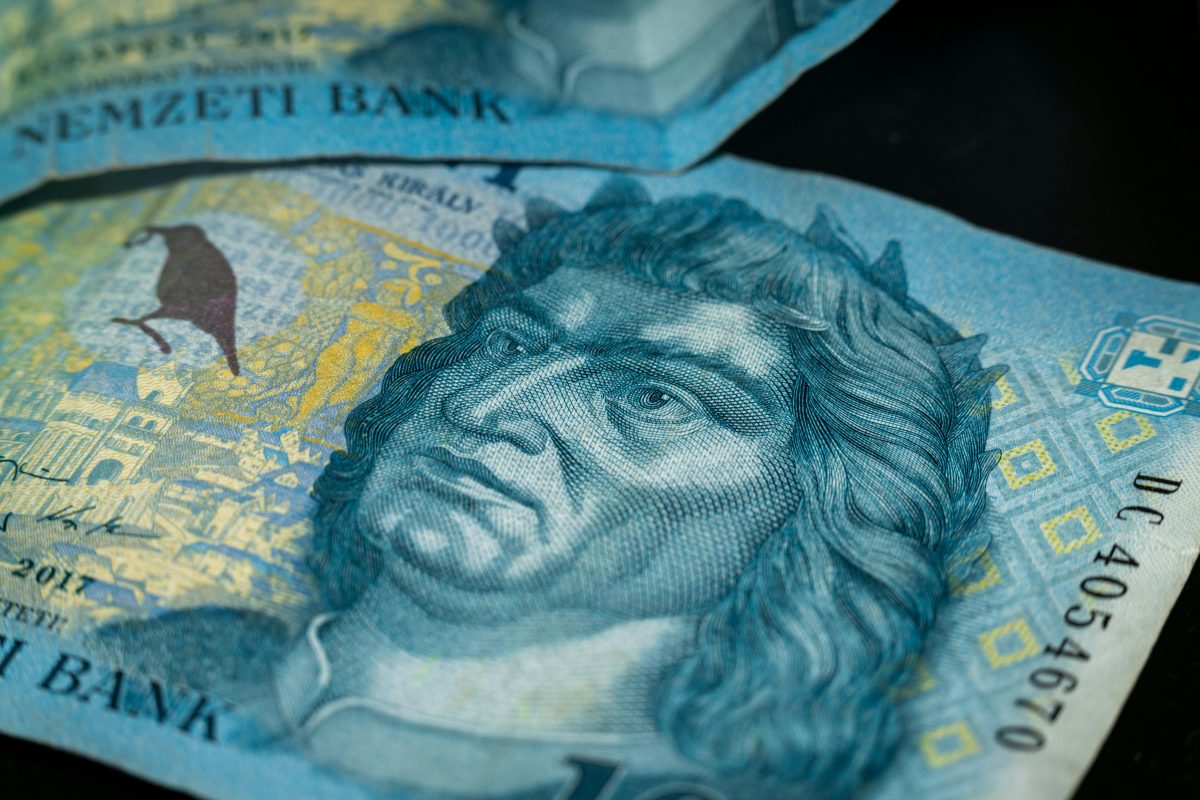
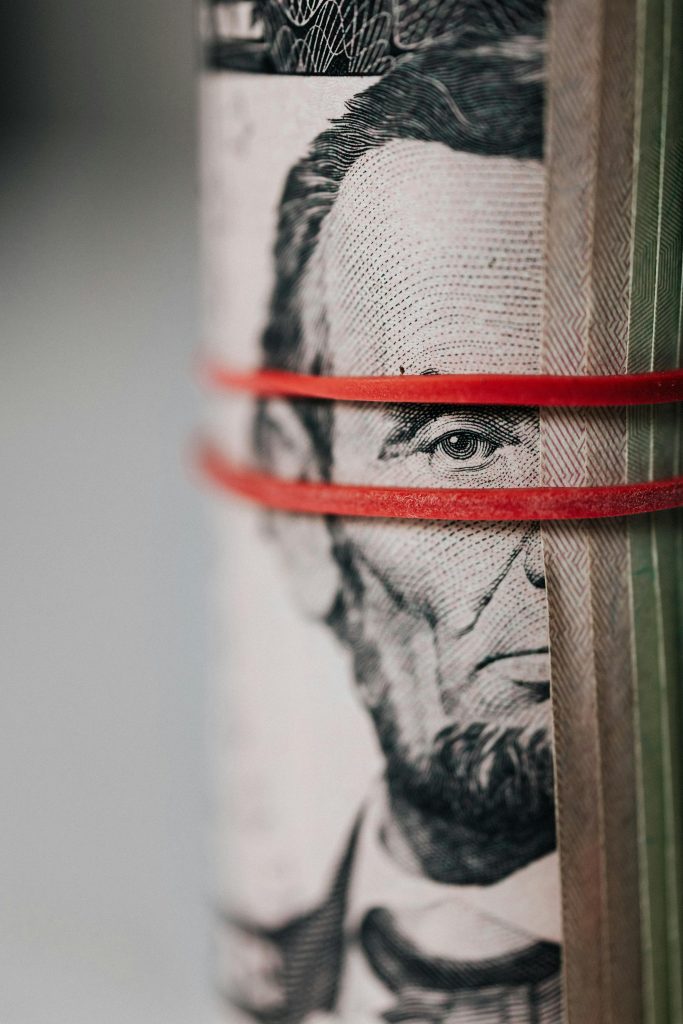
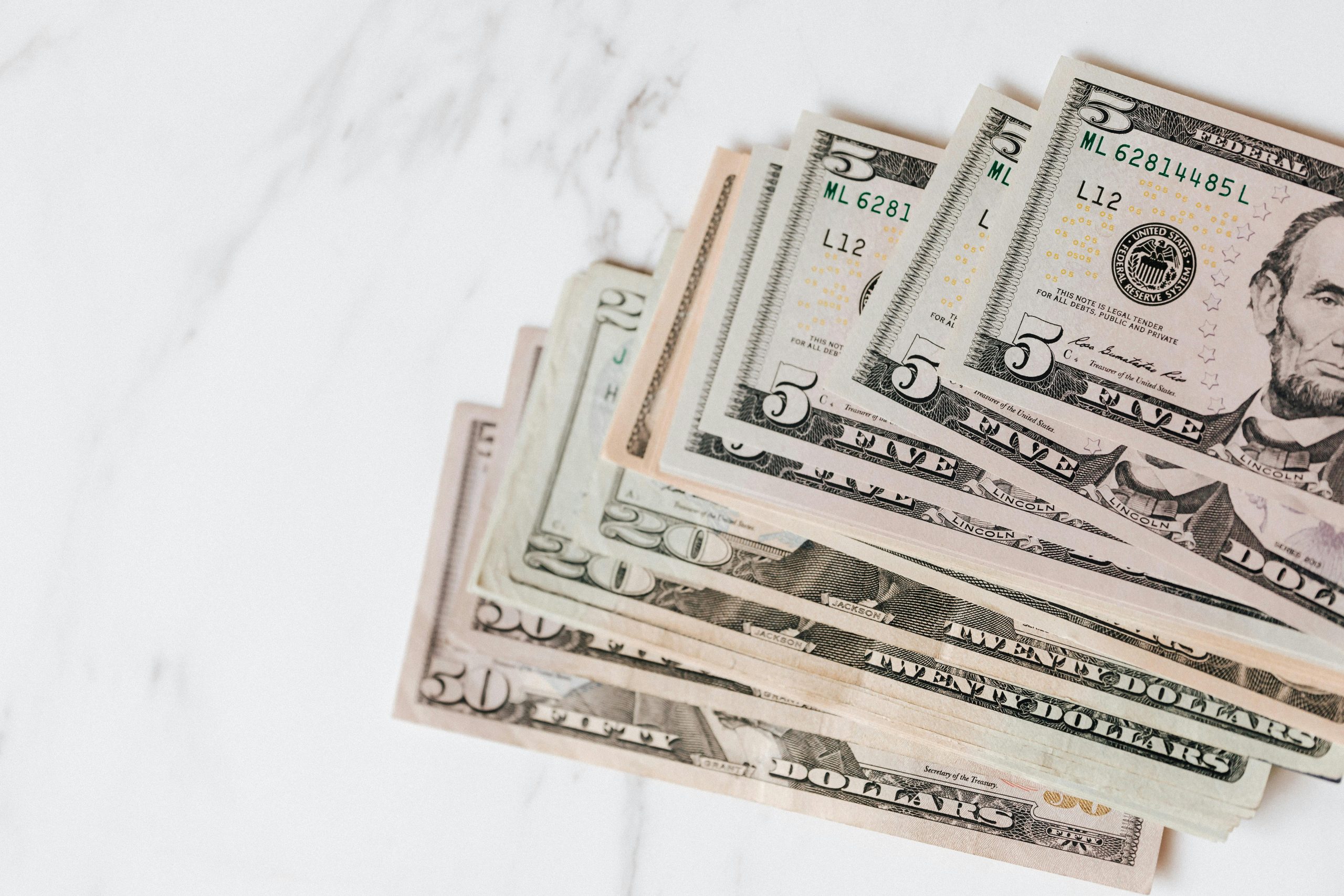
The official currency of Hungary is called Forint. While Hungary is a member of the EU, it is not a member of the Eurozone – a similar country in this regard is Sweden. This doesn’t mean Euros are not accepted, it means that we have our own currency that we use and prefer. Euros are widely accepted, however in most instances the conversion rate will be pretty unfavorable. For example the restroom at the Great Market Hall cost 200 forints but if you decide to pay it in Euros it will cost you 1 euro which, at the time of writing this article, is roughly 390 forints. Some very touristy places might even accept US Dollars but the conversion will be even worse. 

Do You really need cash in hand?

Of course the question has to be asked in today’s world: do you need cash at all? While accepting cards is now mandatory in Hungary with only a very few exceptions, cash isn’t necessary, but on rare occasions a vendor might not let you use your card or simply would claim the reader is out of order. I recommend keeping some cash at hand for tips or small sum purchases. The other reason I prefer to pay with cash, especially at small businesses and mom and pop shops, is because the money stays with them. The bank takes 1-3% fee from the vendor with each transaction and I’d like to leave that money with the owners. Now since Forint is not the most common currency worldwide, it is absolutely understandable that the costs of actually getting it might be far greater than what they have to pay. Also with credit cards you have to make sure your bank allows you to use it abroad, and it’s worth knowing the costs associated with it. You can also order currency at your local bank. The less common the currency is the more time it will take for your bank to get it. It’s also worth asking your bank for how much and at what rate they could exchange money for you. This way you can arrive with some cash in your pocket.

How about ATMs?

You can use an ATM to get money out, but there are a few things to bear in mind. Your bank might charge you for an out of bank ATM fee, or an out of country fee, or any fee they see fit. There are cards (mainly debit) out there – especially in the US – that grant free worldwide ATM access. Well, you will be redeemed for the cost of the ATM fee. It is great news since you can just take out local currency from your account at an ATM. But, unfortunately again, not all ATMs are created equal. There are plenty of non-bank ATMs.You will find them in places frequented by tourists. One of the most notorious ones are the Euronet ATMs. The company is actually based out in Kansas and they found a way to make sure your hard earned money gets eaten up by fees. They have an ATM charge that is usually not covered by your bank, they also usually offer sums to take out that is way more than you’d need, so they can collect more fees. One time – against all my warnings – a guest decided to take out some Hungarian forints from a Euronet ATM. The lowest sum of money was 50.000 Forints which is 1/8th of the median income in Hungary, and around $130. We had to push a few buttons on the machine to get to a spot where we could actually set the sum the guest wanted to take out. That’s why you should always stick to bank operated ATMs either on a street or in an actual bank. The main banks you’ll find in Budapest are OTP (green) Erste (blue) Raiffeisen (yellow) K&H (light blue) CIB (green) just to name a few.

Can I exchange my money to Forint?

You can exchange some money you brought yourself, just make sure you check what the biggest amount that the given country allows you to bring in (in 2024 you have to fill out a declaration form over 10.000 Euros when you enter the EU).  Banks are an OK place to exchange but they can overcharge you a bit. Now again it all depends on how much money you are planning on changing. Money exchange places like Exclusive Change and Correct Change are all good ways to exchange some cash and are usually the best options. The best way to know if you are getting the best bang for your buck is to check the rate at the given day. A simple google search will do just that. The next is to see how far the buy/sell price is from that amount. So for example if the USD/HUF rate is at 400 and they are buying dollars for 380 and selling dollars for 420 that’s pretty awful. If they are 5-10 forints from the conversion rate, that’s pretty good, the lower the better. Sticking with the example, 397/403 would be an excellent place to exchange money, and you probably won’t find a deal like that.

One more tip

I was asked multiple times what currency should you choose when there is an option. I always say that you should choose the local currency, in this case Forints. If you decide to pay with your country’s currency (US dollars, Canadian Dollars, Australian Dollars, etc.), a third party will handle the conversion which will be more costly. It depends on how much you are spending. The difference can be pretty hefty, around 7%. 

I hope this information helps you plan your trip to Budapest. Have a wonderful time in this beautiful city! 

How to tip in Budapest

Tipping, service charge and a whole lot more

Your trip to Budapest can get even more interesting. Transform your Budapest adventure into an unforgettable experience with my exclusive market and food tours. Join me for a private or small group tour of two of Budapest’s most vibrant markets. Discover hidden gems, savor local flavors, and immerse yourself in the city’s rich culture. Let me be your guide to an authentic Budapest experience! I offer private and small group market and food tours. You can read more about here or you can book the experience here.

As a service provider in tourism it’s a bit hard to write about tipping but I’m asked enough that I decided to do so. 

Tipping in Hungary and in Budapest differs from North America and even some parts of Europe. While in the US a lot of times tips are the only source of income for people working in hospitality, mainly in the front of the house (wait staff, bar staff, host, bussers), in Europe and in Hungary the law mandates to provide wages (preferably liveable) to the workers. This puts the employer in charge instead of the patrons making sure the staff gets compensated.

Before I’d get too deep in the rabbithole of the pros and cons of American vs European tipping culture, let’s see when and if it’s appropriate to tip. I thought it’s important to clarify the cultural differences in tipping, which is mainly split between US tipping culture and the rest of the world. Now we can go and dig a bit deeper. 

When to tip?

For this I use a very simple and straightforward method which I openly say if someone asks me after the tour if I accept tips. 

When you liked the service and you feel it was more than you anticipated, feel free to tip. If your cab driver gives some great insights, sure, go ahead and tip, and if he didn’t even get out of the car to open the door or put your bag in the trunk, might consider paying what the meter says. If your waiter provides a service you are more than happy with, sure, go ahead and tip. 

Source https://www.pexels.com/@kelly-1179532/

Service Charge (Szervízdíj or Felszolgálási díj)

If you have been or will be dining out you also see Szervízdíj or Felszolgálási díj (Szervízdíj and felszolgálási díj are just different names for the same thing: service charge) on your receipt. In order to understand and know how they relate to tipping, let’s take a look at how the law defines service charge and tip.

Service charge is a fee charged by a service provider for the service provided by the front of the house. The amount of service charge has to be clearly visible on the menus and on the final receipt, most staff members will actually tell you if that’s included upon receiving the check.

Paying the service charge isn’t optional. Service charges are considered a form of income yet one does not have to pay income tax after it. However employers are mandated to pay the VAT (either 5% or 27%), it is also decreased by other taxes (social security, universal healthcare contribution, etc.). A simple example: for every 100 Forints, 77 Forints (if 5% VAT is charged) or 64 Forints (in case of 27% VAT) is what the worker is left with. 

Source https://www.pexels.com/@karolina-grabowska/

Tipping

Tipping by its non compulsory nature is a whole different story, but it is just as complicated when it comes to taxes. A tip is voluntarily given by the customer, if the service was beyond satisfactory, usually around 10% but it’s not given exclusively in restaurants like the case with the service charge. 

Legally, unless the employer authorizes it, an employee can’t accept tips. That’s the law, but most people usually don’t comply. Nobody will say no to tips, saying their boss won’t approve. 

Since there is no exchange of goods and services and money, money received as tips can’t be considered as income and as such is absolutely tax free. You’d think. 

But it’s Hungary. The thing is, it’s tax free until it reaches the register. Once it does, it becomes revenue for the restaurant and as such, is not exempt from taxes anymore. Giving your server cash at the end of the meal is the best way to make sure that the person who deserves your tip gets your tip.

But what about credit cards or tip buckets? Here is where things get interesting. 

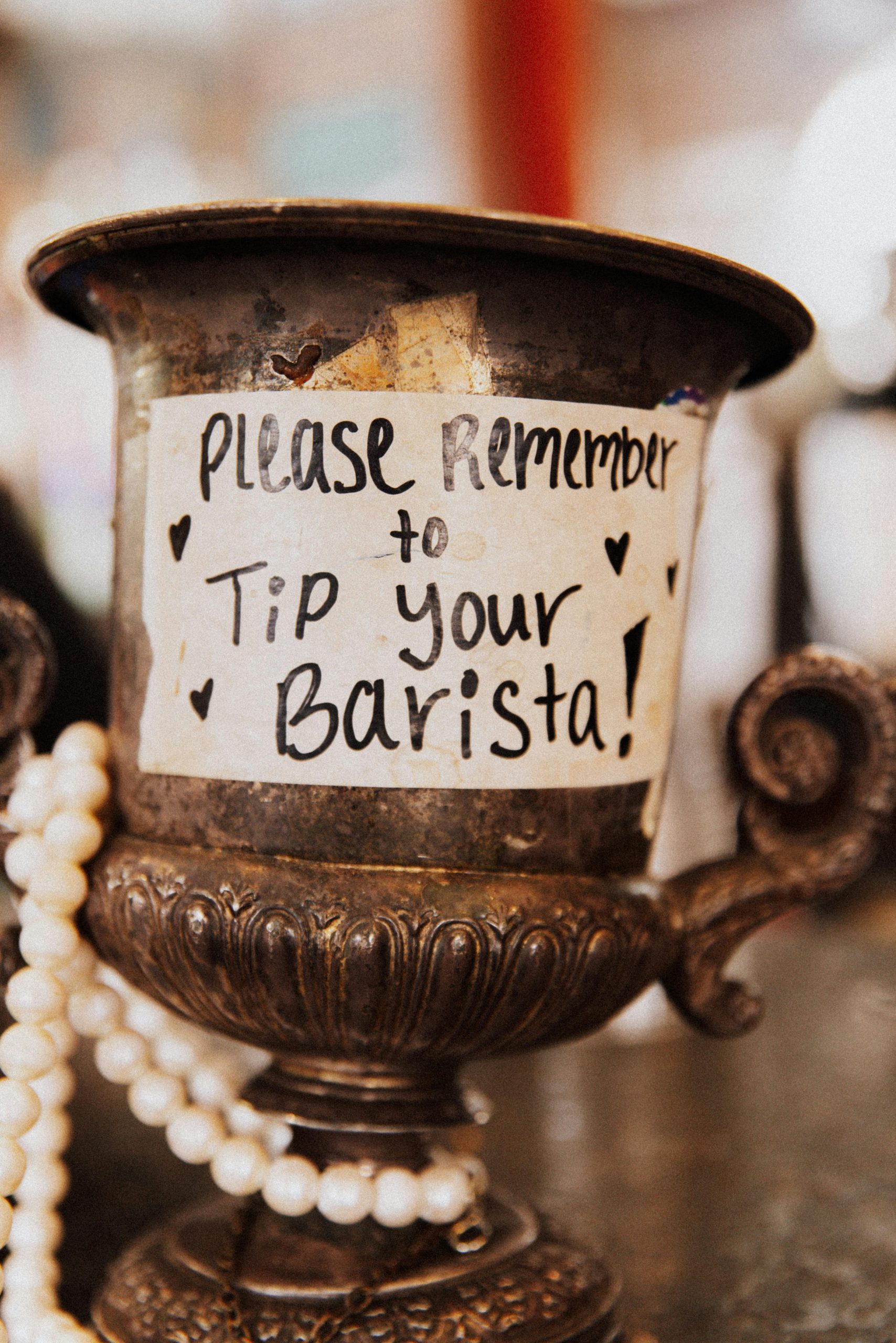
In the case of a tip bucket it’s tax free if the employees physically divide the money among themselves. If it is split by the employer, it’s his money then, and as such, you guessed it… it’s taxable. 

With credit cards the same applies. If they don’t have a separate “account” where the tips are going, it becomes revenue and as such… it’s taxable. 

To summarize. 

Tipping is voluntary and highly appreciated in certain sectors, while you will be automatically charged with the service fee.

If you’d like the receiver of the tip to get the most out of your hard earned money, tip in cash. 

You’ll only encounter service charge in restaurants. It’s mandatory to pay and it is taxed. It’s not for the quality of service, but for the service itself. It’s usually either 10% or 15%.

10% in tips will usually be sufficient but again it all depends on how satisfied you were with the service. Remember: it’s always nice to be financially rewarded for work service providers do, but the main source of income isn’t from tips. (The only exemption from this is anything that is advertised as free. Like free walking tours where they make only tips.)

If you like this article make sure you share with your friends and if you are visiting Budapest make sure to check out my private market and food tours here.

What Is Pálinka? A Chef’s Guide to Hungary’s Iconic Fruit Spirit

My chef’s guide to pálinka — how it’s made, why I love distilling it, and what sets a homemade batch apart. If you’ve ever wondered what real pálinka tastes like, start here.

What Is Pálinka, the Hungarian Spirit?

A Chef’s Guide to Hungary’s Most Iconic National Drink

There’s a moment in every batch of pálinka when I lean over the still, catch that first warm wave of fruit aroma, and think, alright, we’re getting somewhere. I felt the same thing with my very first batch — hovering over the still like a nervous parent, convinced something would explode, burn, or taste like disappointment, waiting for that first clear drop to fall. When it finally did, it tasted like possibility dressed as 80% alcohol. That was the moment I realized this wasn’t just a side project. It was a craft I wanted to understand properly, the same way I approach cooking: with curiosity, respect, and a stubborn desire to make each batch better than the last. Maybe that’s why I love it so much. It’s the one part of my culinary life where patience isn’t optional; it’s the whole point.

And if you join one of my Budapest market and food tours, you can taste the results yourself — the good, the aged, the fruity, the dangerously smooth. But before we get to that, let’s talk about what pálinka actually is.

What Makes Pálinka… Pálinka?

Modern pálinka is defined by Hungary’s 2008 Pálinka Law and protected by the European Union as a geographical indication. That means only spirits that meet all of these criteria can legally be called pálinka:

  • Made from 100% fruit grown in Hungary

  • Mashed, fermented, distilled, matured, and bottled in Hungary

  • No additives — no sugar, no honey, no flavorings

  • Alcohol content between 37.5% and 86%

Austria gets a small exception for apricot spirits from four provinces, but otherwise, pálinka is ours.

Across the border you’ll find cousins: pálenka (Czech/Slovak), palincă (Romanian), Boğma (Turkey). Similar idea, different rules, different soul.

Special Types of Pálinka

  • Kisüsti Distilled in a copper still under 1000 liters, at least twice.

  • Érlelt (Aged) Pálinka Aged 3 months in barrels under 1000 liters, or 6 months in larger ones.

  • Ópálinka (Old Pálinka) Aged at least 1 year in small barrels or 2 years in large ones.

  • Ágyas Pálinka Aged with fruit for at least 3 months — usually darker, richer, and a little cheeky.

A Short, Surprisingly Dramatic History of Pálinka

Distillation arrived in Europe in the 12th century, and Hungary’s first written mention appears in the 14th century — not as a drink, but as medicine for gout. (Hungarians have always been creative with cures.)

By the 17th century, fruit spirits finally show up in records, mostly plum. But pálinka wasn’t widespread yet. Early stills were primitive, cooling systems unreliable, and heat sources inconsistent. Making good pálinka required equipment most people simply didn’t have.

Things changed in the 19th century. Better stills, better knowledge, and suddenly fruit spirits became part of everyday rural life. Plum, pomace, wheat — whatever grew, someone distilled it.

Then the 20th century arrived and made everything complicated:

  • In the 1920s and 1930s, home distilling was banned.

  • Cheap potato spirits flooded the market.

  • “Fruit spirits” were often just flavored alcohol.

  • After WWII, using high‑quality fruit for pálinka was considered wasteful.

  • Many households used fruit that was edible only in theory.

That mindset lingered until the 2000s. Some people still use fruit that’s… let’s say “past its prime.” I don’t. Overripe? Yes. Moldy? Absolutely not.

How Pálinka Is Made (The Chef‑Distiller Version)

1. Fermentation

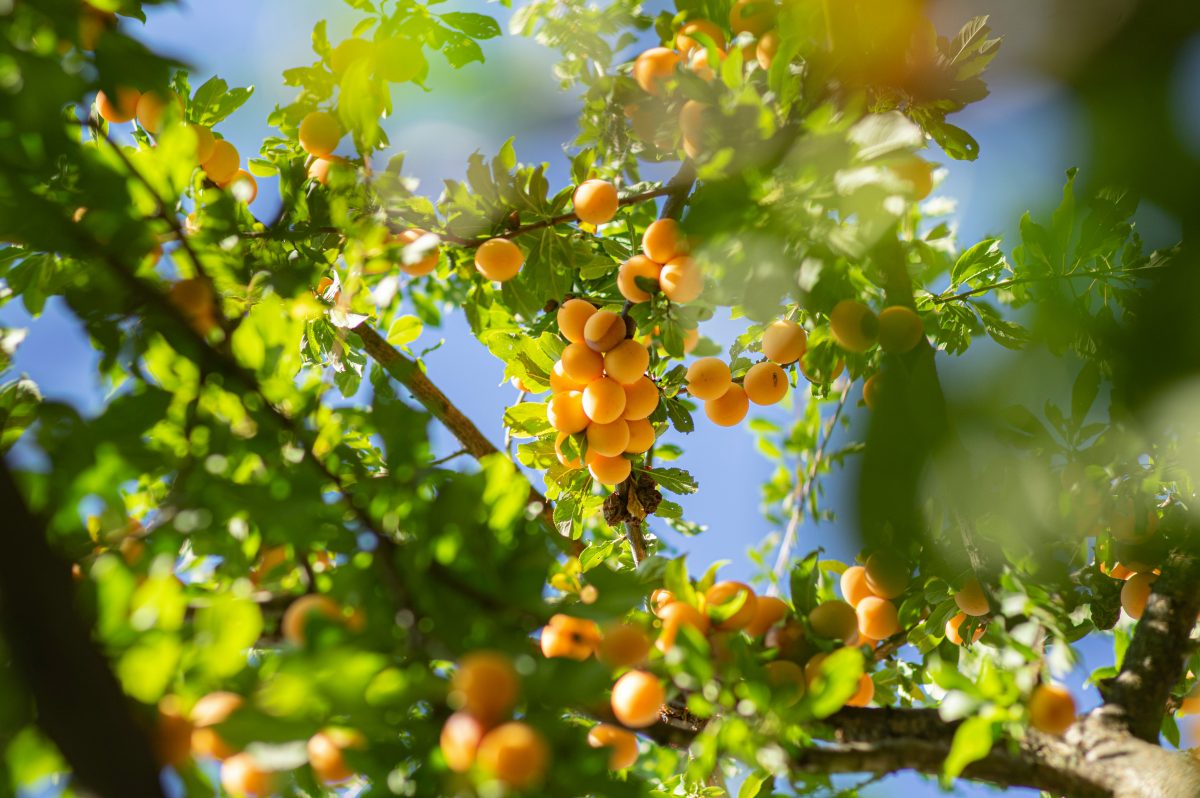
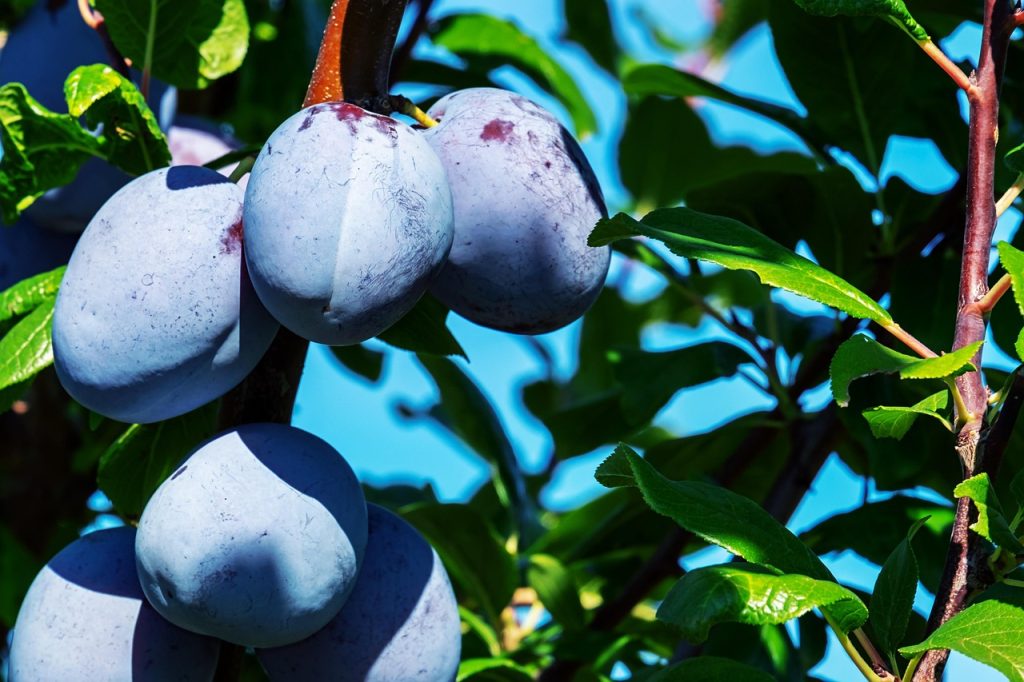
Pálinka starts with fruit — plums, apricots, apples, pears, cherries, whatever the orchard gives you. The fruit ferments naturally with yeast, turning sugar into alcohol.

If yeast breaks down the pectin, you end up with more methyl alcohol. But if the added pectinase enzyme breaks it down first, the yeast has nothing left to convert — which means far less (or practically none) is produced. The result is a safer, cleaner, less wasteful, and more flavorful pálinka.

This is why I always add pectinase. It’s not cheating — it’s smart fermentation.

Fermentation usually takes 10–20 days at room temperature, but depending on the mash, it can age longer. My mashes often sit 3–6 months and they’re strong enough (13–16% alcohol) to age safely.

2. Distillation

Once fermentation is done, the mash is ready for the still. The alcohol content depends on the initial sugar level — more sugar, more alcohol. At this point, the mash is a mix of water, alcohol, and a whole orchestra of flavor compounds.

Distillation is simply the art of separating them.

Different compounds evaporate at different temperatures:

  • Water

  • Ethyl alcohol

  • Methyl alcohol

  • Esters

  • Aromatics

As the mash heats, these compounds rise as vapor and condense back into liquid in the still’s cooling section.

The run has three parts:

The Head

The first volatile compounds. In a well‑made mash, it’s not dangerous, but it’s not what you want to drink.

The Heart (Body)

This is the good stuff — the reason we’re here.

The Tail

As the run progresses, more water vapor enters the steam. The flavor becomes heavy, cooked‑fruit‑like, and not pleasant. I keep the tail for practical use (thinning thick mashes, preventing scorching), but it never goes into the final spirit.

How do you know when to stop?

Technically, you can read the steam temperature at the right point on the still. As more water enters the vapor, the temperature rises. Once it climbs past a certain point, you know you’re basically distilling water.

But I’m a chef. I taste it.

My first quart usually comes out around 68–70% alcohol. I’ve hit 78% once — a unicorn batch. After distillation, I let the spirit rest for a few weeks before dilution.

3. Dilution and Aging

I dilute with distilled water to around 41–42%, which I find ideal for flavor and drinkability — especially since many guests taste it in the morning on my tours.

Then it ages again, at least 3 months, often 9–12. Time softens the edges and deepens the fruit.


Why My Pálinka Tastes the Way It Does

This is where the hobby becomes a craft.

  • I use fruit we grow ourselves, treated only with organic‑approved materials.

  • I use wine yeast now, but I’m experimenting with sherry yeast for higher‑proof mashes.

  • My mashes sit 3–6 months, sometimes longer.

  • I add sugar when needed — the conversion is 2:1, so a 100‑unit mash needs 26–32% sugar for proper alcohol levels.

  • Higher alcohol content extracts more flavor.

  • I use a small two‑part still that preserves fruit character better than tall column stills.

  • I taste every batch. If the first sip isn’t right, I stop everything and figure out why. Faulty mash? Straight to compost.

  • I never double‑distill — too much flavor would be lost.

  • I never go below 40%.

  • I age before and after dilution.

The goal is simple: a spirit that tastes like the fruit it came from — clean, honest, and enjoyable without knocking you off your chair.

Pálinka as Culture

Pálinka isn’t just a drink. It’s a piece of Hungarian identity — shared at weddings, poured at family tables, sipped in countryside kitchens, and yes, enjoyed on my tours.

Every glass carries a story: orchards, seasons, stubborn traditions, and the people who keep them alive.

And for me, it’s also a reminder that some crafts reward patience more than perfection. Pálinka is one of them.

FAQ: Pálinka

What is pálinka?

Pálinka is a traditional Hungarian fruit spirit made exclusively from fermented fruit—never sugar or flavoring.

How strong is pálinka?

Most bottles range from 40–50% ABV, but homemade versions can be significantly stronger.

What fruit is pálinka made from?

Common varieties include apricot, plum, pear, cherry, quince, and apple.

How do Hungarians drink pálinka?

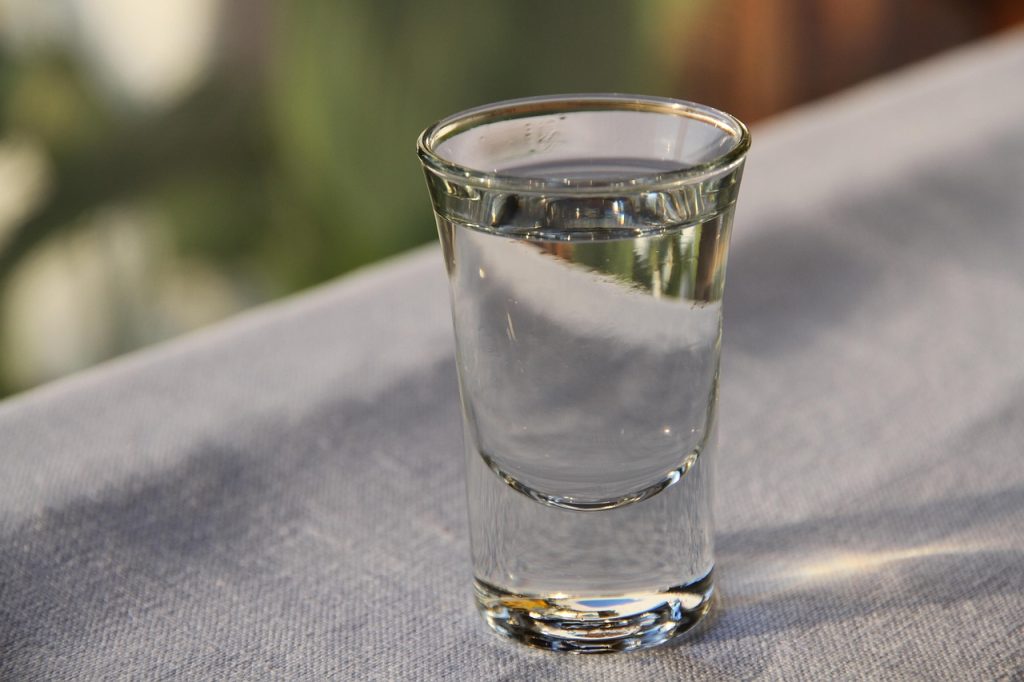
Usually neat, at room temperature, in small glasses. It’s served before meals, after meals, or when someone arrives.

Is pálinka the same as brandy?

No. Pálinka has strict legal protections: it must be made from 100% fruit, distilled in Hungary, with no added sugar.

Where can I buy good pálinka in Budapest?

Specialty shops, market stalls, and distillery boutiques carry high-quality bottles.

What does pálinka taste like?

It depends on the fruit. Apricot is floral, plum is deeper and earthier, and quince is aromatic and intense.

Does pálinka pair with food?

Yes—Hungarians often pair it with charcuterie, cured meats, cheeses, or sip it after a heavy meal.

How should pálinka be stored?

Keep it sealed, upright, and away from sunlight. A good bottle can last for years.

Can you cook with pálinka?

Absolutely. It’s excellent for desserts, reductions, and fruit-based sauces.

Best baths in Budapest 2

It feels great to freshen up at one of these baths after a morning full of delicious food that we will hopefully consume together in one of my markettours. If you’d like to read more about it you can do it here or you can book the experience here.

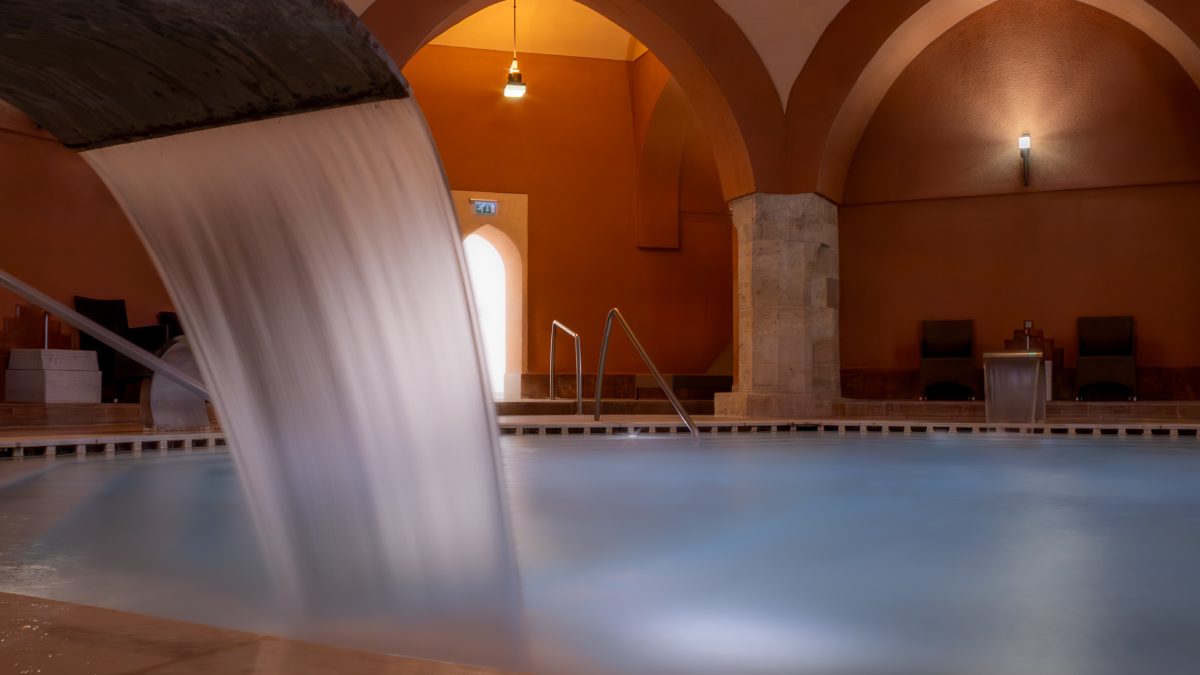
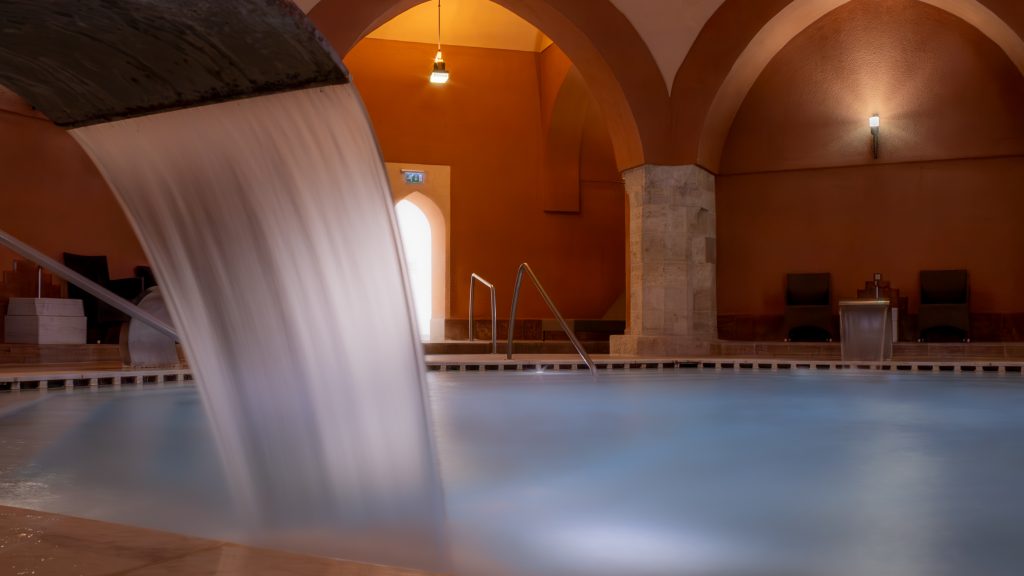
In this compilation of Budapest’s baths I collected some of the secret baths. They are lesser known and less touristy. There is a bath from the Turkish-Ottoman era and there is a fairly new resort. If you have enough time to venture out a bit to the unknown and spend a nice relaxing day a little out of the way this list is for you.

Veli bej

Veli bej bath/Kormos Anna

This one is my personal favorite. Veli Bej is a Turkish bath built at the same time as Rudas, commissioned by the same guy named Sokullu Mustafa Pasha. He was onto something as archaeologists found evidence of a nearby Roman bath as well. Attila the Hun had been camping out there as well. There was a bath already here when King Matthias reigned roughly a 100 years before the Pasha commissioned it. Long after the Turks left the city,  Earl István Marczibányi donated the reconstructed building to the Brothers Hospitallers of Saint John of God in 1806.

History wasn’t too kind to the building. Renovations and a hospital that was built almost on it took their toll. In 2000 the Brothers Hospitallers of Saint John of God decided to restore it to its former glory. They didn’t mean the formal glory of 200 years ago but the one of 400 years ago. They have been operating it ever since. The bath is the city’s biggest Turkish bath with 5 pools and best kept secret. So much so that even locals don’t really know about it.

Open 7 days a week, Saturday and Sunday 6 AM to 12 PM, and from Monday to Sunday from 3 PM to 9 PM prices are between only 5000-5500 HUF (13-14 EUR).

(12-13 EUR). http://www.irgalmasrend.hu/site/velibej/sprachen/en

Dandár bath

It’s one of the first baths that was opened for the sole purpose of bathing – in the meaning of getting clean. You see, way back then there were no bathrooms in every apartment. It might have had one place on every floor where they had running water but a lot of times there wasn’t a bathroom per say. So in the late 1920s the city started to build bathhouses also known as  sanitary baths, and Dandár was one of the first ones. At first the water was brought by cars from Széchenyi bath. In 1978, when the building was being renovated, a new well was dug nearby, specifically for this bath. Now it has 3 pools, all of them are operated with thermal water. The temperatures range between 20-36°C (68-97°F).

Opening hours from 9 AM to 7 PM, for 3600-3700 HUF(9.5 EUR). https://en.dandarfurdo.hu/

Dagaly

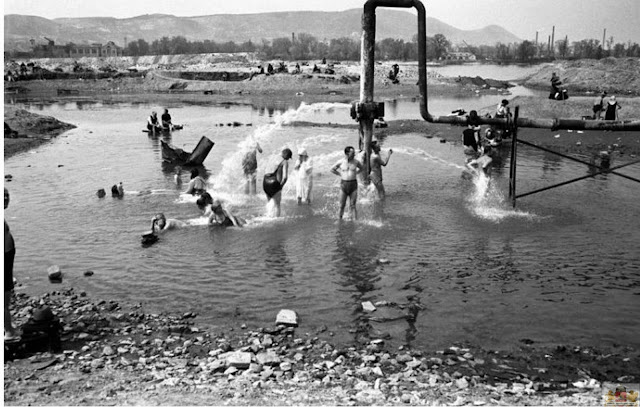
Dagaly bath in 1948 source https://dunaiszigetek.blogspot.com/

Anytime I drive by it, I always remember my grandmother. She told us this story when she was a little girl she and her friends would go to Dagaly. Thermal water was first discovered in the area in 1944 then some wells were built in 1948. That was just basically a floodplain. When I was looking for some older pictures of the pools, I also found an interesting article. It turns out that the Danube used to cover the area where Dagaly is currently located.

Now what’s even cooler, that there was an island across from Dagaly with hot springs. The island was scrapped during the river being regulated for ships to move around easier, however the springs of course are still there. I found a study where a few scientists went on a plane ride twice 4 years apart as the circumstances had to be perfect since the machines they were using would interfere with the sun’s reflection. So they had to go out just before sunrise and they had to do that when the river isn’t frozen but as cold as it could be so it’s easier to see the thermal differences on the thermal cameras. They proved the existence of the now underwater springs. This is not known by many Hungarians.

Dagály now itself is a big public pool with mineral rich waters. It’s a huge complex with around 12 pools. Water ranges from 16-40°C (60-105°F). I couldn’t find its own website nor a website with english info on it, so no prices. Also, take the opening hours with a grain of salt:  6 AM to 8 PM.

Aquaworld

Credit: Aquaworld Resort Budapest Hotel and Waterpark

Not a classic bath but more like a spa complex, or even a waterpark. It boasts 17 pools, 11 slides, a hotel and it covers an area of 21 acres; its parking lot can fit 1000 cars. With these numbers it is the largest waterpark-hotel complex in Central Europe. It’s a bit out of downtown but if you are looking to rub elbows with the locals and venture out a bit that might be for you. It’s definitely great to visit with kids.

Open everyday from 7 AM to 9 PM. The price for an adult is 6700-9700 HUF(17-25 EUR) and 25700 HUF (65 EUR) for a family with two under 14 year old children. https://www.aquaworldresort.hu/en/

If you like this article make sure you share with your friends and if you are visiting Budapest make sure to check out my private market and food tours here.

Best baths in Budapest 1

Relax and rejuvenate in Budapest’s historic thermal baths

It feels great to freshen up at one of these baths after a morning full of delicious food that we will hopefully consume together in one of my markettours. If you’d like to read more about it you can do it here or you can book the experience here.

Budapest is famous for its thermal baths. They are natural hot springs that have been used for centuries for healing and relaxation. The city has a rich history of bathing culture, dating back to Roman and Ottoman times. Today it offers a variety of baths to suit every taste and budget. In this article, I will explore some of the best thermal baths in Budapest, and what makes them unique and worth visiting. In part two, I will showcase a few lesser known but still pretty cool ones.

There are multiple sites to buy your ticket including third party vendors such as Viator, GetYourGuide, etc., however, they typically overcharge you anywhere between 20-40%. Most of Budapest’s baths are owned and operated by Budapest Gyógyfürdői és Hévizei Zrt., a private enterprise that is owned by the City.

Make sure you visit their official site, and buy your tickets there. You can also see the various baths the city has to offer, purchase your tickets there that will help you skip the line. You can read all the up to date information needed. I highly recommend getting your tickets directly generally but in this case it is even more important. I had clients telling how they basically got ripped off as they bought tickets from a third party vendor. As it turned out it was not a valid ticket to enter the spa as well as the ticket wasn’t the one they actually purchased. One particular case they thought they purchased a full day ticket but the harsh reality was that the ticket was only valid if the entry happened before 9 AM. Budapest is truly a city of spas, and visiting a thermal bath is a must-do activity for any traveler.

Széchenyi Baths

Szechenyi thermal bath Janos Illesi

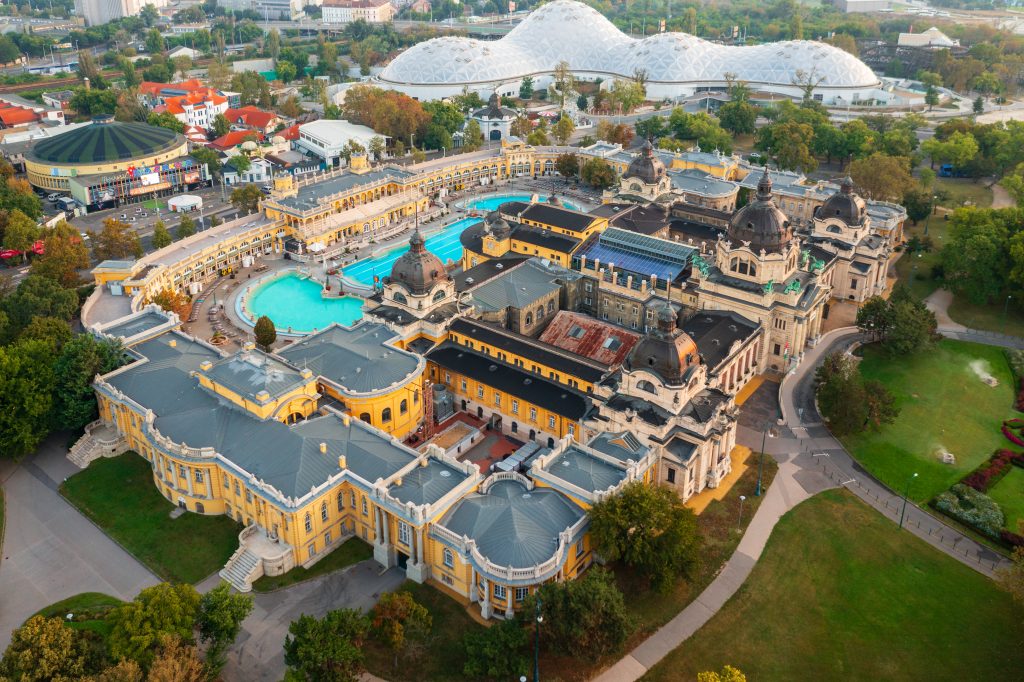
Széchenyi Thermal Baths is one of the largest and most popular bath complexes in Europe with the hottest hot spring in Europe with a whopping 77°C (170°F). It is located in City Park (Liget) and has 18 pools, including three outdoor pools, and various saunas, steam rooms and massage services. The water temperature ranges from 18°C (64°F) to 40°C (104°F), and the water contains minerals such as calcium, magnesium and sulfate, that are said to have beneficial effects on the joints, muscles and skin. The architecture of the bath is truly impressive, featuring neo-baroque and neo-renaissance styles.

The bath first opened in Budapest doors in 1913 but unfortunately the architect Gyozo Czigler (Czigler Győző) died by then. It was damaged during WWII and renovation consisted of mostly patching up that needed to be patched up. The real renovation started in 1997. The atmosphere is lively and festive again, especially on weekends and summer nights. What I mean by that is it tends to get crowded.

Széchenyi Baths is open every day from 6 AM to 10 PM, and the entrance fee is 8400-14000 HUF (23-37 EUR). They also offer overpriced swim gear such as robes, towels, slippers if you happen to not have them on you. I highly advise anyone visiting to buy those accessories at a department store for a fraction of the price. It is one of the best, most stunning and biggest bath complex Budapest has to offer.  https://www.szechenyibath.hu/

Rudas Bath

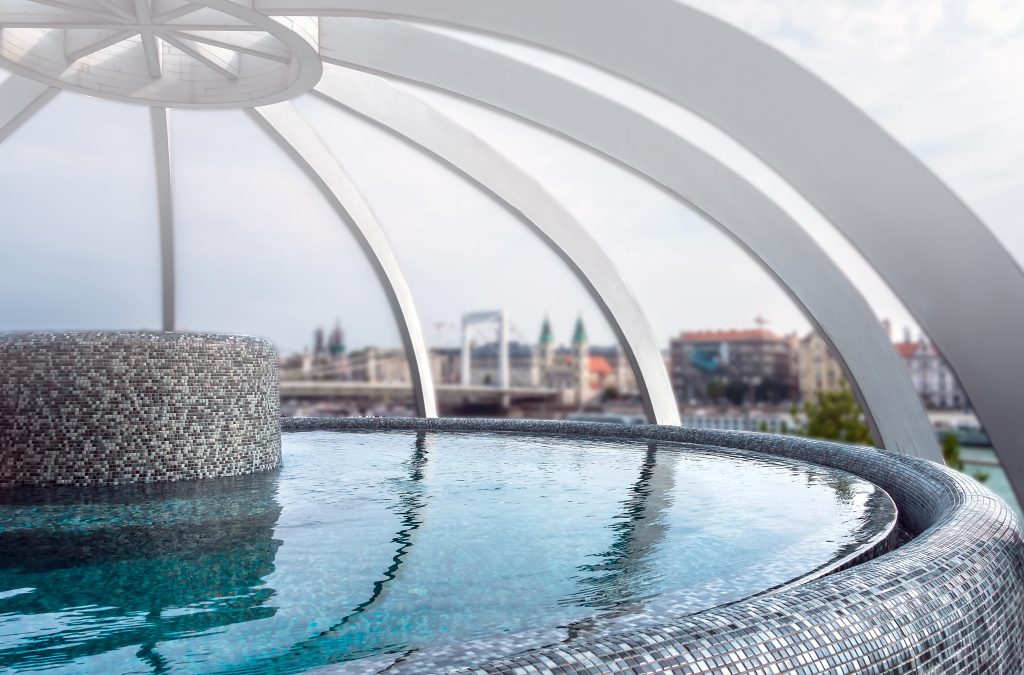
Rooftop pool at Rudas Thermal Bath Budapest

Rudas Baths is one of the oldest and most authentic baths in Budapest. It dates back to the 16th century, when it was built by the Ottomans. It has a distinctive Turkish dome and an octagonal pool that has been operating as a therapeutic swimming facility. There is a sauna as well as six smaller pools with different temperatures and mineral compositions. The water contains fluoride, sodium and bicarbonate, which are claimed to help with degenerative joint diseases, chronic inflammations, and spinal problems. The thermal bath also has a modern wellness section with a rooftop pool that offers, one of the best views of Budapest and the Danube.

Rudas Baths is open every day from 6 AM to 8 PM, but the Turkish bath is only open for men on Mondays, Wednesdays, Thursdays and Fridays, and for women on Tuesdays. On weekends, the bath is mixed, and the wellness section is open until 8 PM. They also offer night bathing from 10 PM to 3 AM on Friday and Saturday. No kids under 14 are allowed. The price ranges from 6400 HUF (17 EUR) to 12600 HUF (33 EUR). For the most up to date information please visit the official site of Rudas bath.

Gellért Baths

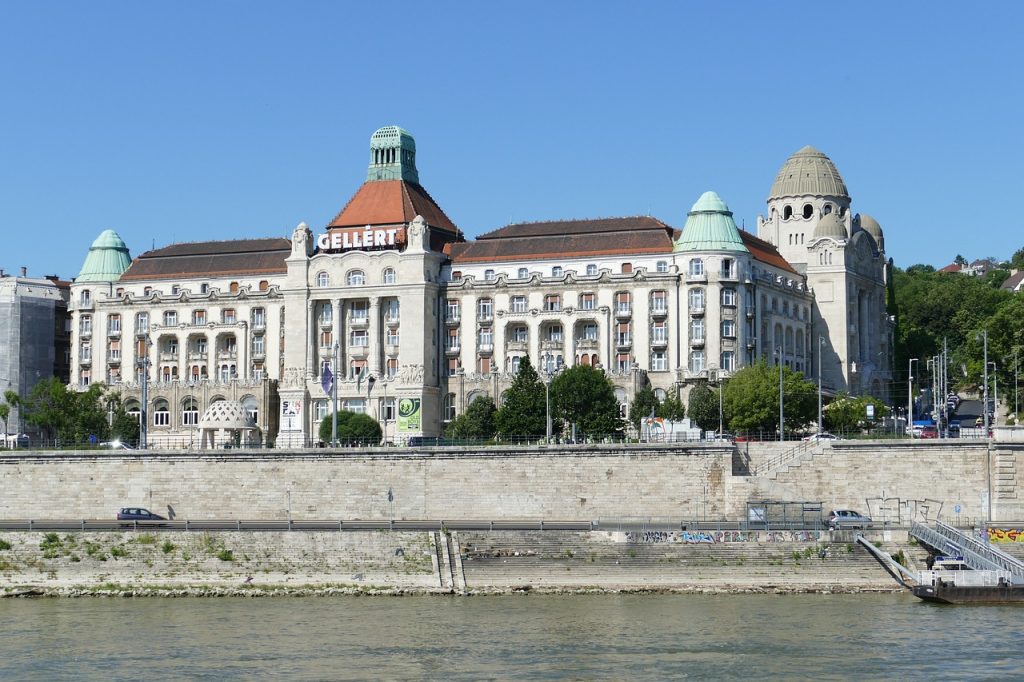
Geller bath Falco/pixabay

Gellért Baths is another iconic thermal bath in Budapest. Located in the same building as the elegant Gellért Hotel. It was built in the early 20th century. However there are records about the “miraculous” springs spurting up in the area as early as the 15th century. These springs were favored by the Turks. The building features stunning art nouveau style architecture with colorful mosaics, stained glass windows and marble columns.

The bath has 13 pools, including an indoor wave pool and an outdoor pool with a jacuzzi and a fountain. The water temperature varies from 26°C (79°F) to 40°C (104°F), and the water contains calcium, magnesium, sulfate and chloride, which are supposed to improve blood circulation, digestion and metabolism. The bath also offers various treatments, such as massages, mud therapy and aromatherapy.

Gellért Baths is open every day from 9 AM to 7 PM, with prices ranging between 10500 HUF (27 EUR) and 20000 HUF (52 EUR) for a 90 minute private session for two. https://www.gellertbath.hu/

Lukács Baths

Lukács Baths is a less touristy bath in Budapest, located near Margaret Island (Margitsziget). It has a long history of being a healing center, and it has a wall of marble plaques from grateful patients who were cured by the water. The bath has six pools, including four thermal pools and two swimming pools, and the water temperature ranges from 24°C (75°F) to 40°C (104°F). The water contains calcium, magnesium, hydrogen-carbonate, sulfate and fluoride, which are believed to help with rheumatic and muscular disorders, kidney and urinary problems, and also stress. The bath has a sauna world with five different saunas, an ice cooling pool, an igloo and a heated roman bench.

“In the 12th century, knights of the order of Saint John engaging in curing the sick settled in the area of today’s Lukács Bath, followed by the orders of Rhodos and Malta. The bath operated through the time of the Turks but the energy of the springs were used primarily to produce gunpowder and for grinding wheat. After the reoccupation of Buda, the bath became the property of the Treasury. In 1884, Fülöp Palotay purchased the bath from the Treasury, thus a series of transformations began.” (source: https://en.lukacsfurdo.hu/past-and-present) It also has a drinking fountain that was built in 1937.

Lukács Baths is open every day from 7 AM to 7 PM. Prices are 4800 HUF to 5200 HUF (12-14 EUR) https://en.lukacsfurdo.hu/

These baths and countless others are the reason why Budapest is also called the city of baths. Make sure you visit one these stunning buildings and literally soak up the history of these buildings.


Michelin Starred restaurants in Budapest

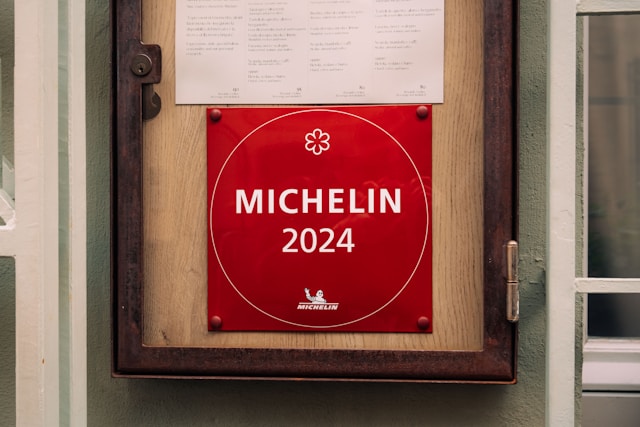
Budapest’s Michelin‑starred restaurants reflect a city finally cooking in its own voice. From the disciplined precision of Stand to the boundary‑pushing creativity of Salt, here’s a chef’s guide to the seven Michelin restaurants shaping Hungary’s modern culinary identity.

Updated on 2026 January

Budapest’s Michelin‑starred restaurants have become one of the city’s biggest culinary draws, and for good reason. Fine dining in Budapest barely existed twenty years ago — even finding consistently good food was a challenge. Today, the city has a focused, world‑class lineup recognized by the Michelin Guide, built on Hungarian flavors, Central European history, and a generation of chefs who finally cook like themselves.

There are currently seven Michelin‑starred restaurants in Budapest. And while I can’t promise Michelin‑level dishes on my market tours, I can help you understand the flavors and ingredients that built this city’s cuisine — the same foundations these restaurants elevate to a global level.

Budapest market and food tours

How Budapest Became a Michelin City

Hungarian cuisine has always been a fusion cuisine — Turkish peppers, Austrian pastries, Balkan grilling, Italian pastas, French technique. History did the seasoning for us. But the fine‑dining wave didn’t truly hit Budapest until the 2010s, after a quiet but impactful culinary “revolution.” Chefs stopped copying Western Europe and started cooking Hungary through their own lens.

That’s when Michelin finally took notice. And that’s how we ended up with a lineup that’s small, focused, and genuinely world‑class.

Stand — 2 Michelin Stars

Photo credit: Stand Restaurant

Stand is the only two‑star restaurant in Budapest, and it earned those stars the hard way: by cooking Hungarian food with absolute precision and zero ego. Tamás Széll and Szabina Szulló built a kitchen that runs like a metronome — I know, because I’ve worked in it.

I’ve always believed leadership starts with example, not volume. Stand operates the same way. It was one of the quietest kitchens I’ve ever worked in — not because people were afraid to speak, but because everything ran with the kind of discipline that doesn’t need raised voices. When the chef‑owners are cleaning alongside you, the message is clear: standards aren’t demanded, they’re demonstrated. And that discipline shows up on the plate.

There’s a clarity to their cooking that’s rare at this level. No unnecessary tricks. No “look what we can do.” Just technique, discipline, and ingredients treated with respect. Their goulash is famous for a reason, and their reinterpretations of classics are grounded, not gimmicky. The service strikes that perfect balance: professional without being stiff, warm without being chatty.

(And yes — one of its interpretations at N28 is still one of my favorite goulash bowls in the city.)

Practical info

Babel — 1 Michelin Star

Photo credit: Babel Facebook Page

Babel took the long road to its star, earning it in 2019 after a decade of refining its identity. Their approach isn’t strictly Hungarian — it’s more “Central European with a point of view.” The kitchen team is international, and you can taste that in the way they treat ingredients from the region. They chase purity of flavor rather than nostalgia, and the result is a menu that feels both familiar and completely new.

The dining room is calm, elegant, and quietly confident — a good match for the food.

Practical info

Borkonyha Winekitchen — 1 Michelin Star

Photo credit: Borkonyha Facebook Page

Borkonyha is one of those places chefs recommend to each other. I sent hundreds of my cooking‑class guests there long before they earned their star. They opened in 2010, and Ákos Sárközi — now one of Hungary’s most recognizable chefs — still runs the kitchen. That alone says something.

He calls it a “free kitchen,” meaning they don’t lock themselves into a strict concept. They cook what makes sense, with the best ingredients they can get, and they do it with a kind of relaxed precision that’s hard to fake. Expect Transylvanian touches thanks to the sous chef, and a wine list that’s one of the best in the city.

Practical info

Costes — 1 Michelin Star

Photo Credit Costes Facebook Page

Costes was the first restaurant in Hungary to receive a Michelin star, which still surprises me. My own dinner there years ago had too many mistakes for a Michelin kitchen — but the way the staff handled it was textbook professionalism. Kitchens evolve, chefs change, and today the restaurant is under the direction of Jenő Rácz, a chef with the skill and discipline to steady any ship.

If you go now, you’re not eating the version I experienced. You’re eating the version shaped by a chef who knows exactly what he’s doing.

Practical info

  • Location: 1092 Budapest, Ráday utca 4⁩⁦.
  • Price range: $$$$
  • Website: costes.hu
  • Reservation: Recommended

Costes Downtown — 1 Michelin Star

Costes Downtown is the more relaxed sibling — same standards, less formality. It’s approachable without losing the fine‑dining edge. The kitchen has always been strong, and with the same leadership influence as Costes, it’s consistent, polished, and technically sharp.

If you want Michelin without the ceremony, this is the one.

Practical info

  • Location: Budapest, Vigyázó Ferenc u. 5 1051
  • Price range: $$$$
  • Website: costesdowntown.hu
  • Reservation: Recommended

Essência — 1 Michelin Star

Photo Credit: Essencia Facebook Page

Essência is a husband‑and‑wife operation, but with a twist: he’s Portuguese, she’s Hungarian. The result is a fusion that actually works — not the “let’s combine two countries because we can” kind, but a thoughtful blend of flavors and techniques from both cultures.

Tiago, the chef, previously led the kitchen at Costes Downtown, and you can feel that experience in the way the menu is structured. It’s confident, balanced, and personal.

Practical info

Salt — 1 Michelin Star

Photo Credit: Salt Restaurant

Salt is one of the most innovative kitchens in the country. I haven’t worked there, and I haven’t eaten there yet, but I’ve spent time with the team — including a few beers with their sous chef, who’s brilliant and deep into fermentation research. Even in casual conversation, you can feel how seriously this kitchen takes technique.

They forage. They ferment. They bake some of the best bread in the city in their own bakery. And chef Szilárd Tóth is the only Hungarian featured among the world’s top 100 chefs. If I ever put my chef jacket back on, it would be for a kitchen like this.

Practical info


Worth the Trip: Platán Gourmet (Tata) — 2 Michelin Stars

Photo Credit: Platan Gourmet

Platán isn’t in Budapest, so it doesn’t belong in the main list — but it absolutely deserves a mention. It’s one of only two restaurants in Hungary with two Michelin stars, and chefs across the country respect what they’re doing. If you’re willing to travel, it’s one of the most impressive dining experiences in the region.

Practical info

  • Location: Tata, Kastély tér 6 2890
  • Price range: $$$$
  • Website: platangourmet.com
  • Reservation: Essential

Budapest’s Michelin Identity

Budapest’s Michelin restaurants aren’t trying to be Paris or Copenhagen. They’re not chasing trends. They’re cooking Hungary — its ingredients, its history, its contradictions — with clarity and confidence.

And if you want to understand where all of this starts — the peppers, the produce, the traditions, the flavors — come with me to the markets. That’s where the story begins.

Budapest market and food tours

FAQ: Michelin Restaurants in Budapest

How many Michelin-starred restaurants are in Budapest?

Budapest currently has seven Michelin-starred restaurants, including one with two stars.

Which restaurant in Budapest has two Michelin stars?

Stand is the only two-star restaurant in Budapest, recognized for its precision and modern Hungarian cooking.

Are Michelin restaurants in Budapest expensive?

Most tasting menus range from €80–€180, depending on the restaurant and wine pairing.

Do I need reservations for Michelin restaurants in Budapest?

Yes. The top restaurants—especially Stand, Salt, and Babel—often require booking weeks in advance.

Is there a dress code at Michelin restaurants in Budapest?

Most follow a smart-casual approach. Jackets aren’t required, but athletic wear isn’t appropriate.

Are Budapest’s Michelin restaurants worth it?

If you’re interested in modern Hungarian cuisine, absolutely. The scene is small but high-quality and chef-driven.

What makes Budapest’s Michelin restaurants unique?

They focus on Hungarian ingredients, Central European history, and disciplined technique rather than copying other cities.

Is there a Michelin Guide for Hungary outside Budapest?

Yes. Platán Gourmet in Tata holds two Michelin stars and is considered one of the best restaurants in the country.

Getting to and from the airport

Your trip to Budapest can get even more interesting. Transform your Budapest adventure into an unforgettable experience with my exclusive market and food tours. Join me for a private or small group tour of two of Budapest’s most vibrant markets. Discover hidden gems, savor local flavors, and immerse yourself in the city’s rich culture. Let me be your guide to an authentic Budapest experience! I offer private and small group market and food tours. You can read more about here or you can book the experience here.

There are several ways to get to the city center of Budapest from the airport, depending on your budget and preference. Here are some of the options you can choose from:

FőTaxi: This is the official taxi service of the airport, and you can find them outside the terminals.
They charge by the meter, and the average fare to the city center is around 10500-13000 HUF (about 27-35 EUR). You can pay by cash or card, and you can also book online or by phone. This option is little more on the expensive side, but it can be a better suited option for people with more luggage. For the most up to date prices and information please visit the official site of főtaxi.

Airport Minibus: This is a shared shuttle service that will take you to your destination in the city. You can book online or at the airport, and the price is 7500 HUF (about 25 EUR) per person. As it’s a shared service the time to reach your destination might take longer than a cab and in some instances then public transport. But it’s still a more convenient way to get to downtown for half the cost. For the most up to date prices and information please visit the minibud official website.

Public transportation: This is the cheapest way, and offers multiple ways to get to downtown.
To get to Deák Ferenc or Kálvin Tér, which is one of the main hubs of the city, and it’s closely located to the jewish quarter. You will need to take a bus. The bus number is 100E. It runs every 6-10 minutes on Mondays and Fridays, during the day. Every 7-10 minutes on Tuesdays, Wednesdays, Thursdays, Saturdays and Sundays, during the day, every 10-15 in the mornings and evenings,every 30-40 minutes on average at night. The trip roughly takes 30-45 minute. the cost is 2200 HUF (about 7 EUR)
For the most up to date schedule please refer to the public transportation’s website.
Alternatively, you can take the bus number 200E, which runs every 10 minutes from both terminals to Kőbánya-Kispest metro station, which is the end of the blue metro line (M3). The ticket costs 400 HUF (about 1 EUR), and you can buy it at the airport from a machine or from the driver. The journey takes about 20 minutes. From there, you can take the metro to the city center, which costs another 400 HUF. The metro runs every 3-5 minutes on the weekdays during the day 5-8 on weekends holidays and őff hours, and 15 minutes at night til 11ish pm. You can also take the bus number 200E to Ferihegy train station, which is 12 minutes away from the airport. The ticket costs 400 HUF as well. From there, you can take a train to Nyugati railway station, which is in the city center. The train ticket costs around 700 HUF (about 2 EUR), and you can buy it at the station or online.

Private transfer: This is the most convenient and hassle-free option, but it is also the most expensive.You can book a private car or van online or by phone, and the driver will wait for you at the airport with a sign with your name. The price varies depending on the company and the vehicle, but it can range from 12000 HUF (about 33 EUR) to 28,000 HUF (about 75 EUR) for a one-way trip. You can pay by cash or card, and you can also request a guided tour or a stop at a sightseeing spot along the way.

Things to avoid: Licensed cab drivers must work with a set fare that is set by the city. Fotaxi, Bolt, City taxi, Budapest taxi, Taxify and all other operators are using the same rate. There are however independent operators also known as freelancers. It’s easy to spot them,
as there is no company logo on their vehicle and on the door it says “Freelancer” or “Independent”. Legally they do work with the same rate everybody does. But unfortunately their meter is rigged so they measure distance very differently, which means you can be paying multiple times more then you should. They also tend take you around town as they know you don’t know the city. This way a two block ride can easily turn into an unwanted sightseeing with a cost to match that. You will also find drivers at the airport exit offering their services. They are highly likely one of those independent ones. Please avoid them at all cost. They can be found everywhere where tourist are railway stations, famous sights (Great Market Hall, Parliament, Castle etc) boat docks, waiting for tourists unbeknownst to their shady tactics.

If you liked the article make sure to check out my market tours.

I hope this information helps you plan your trip to Budapest. Have a wonderful time in this beautiful city! 😊

Budapest Market Tour
Privacy Overview

This website uses cookies so that we can provide you with the best user experience possible. Cookie information is stored in your browser and performs functions such as recognising you when you return to our website and helping our team to understand which sections of the website you find most interesting and useful.